
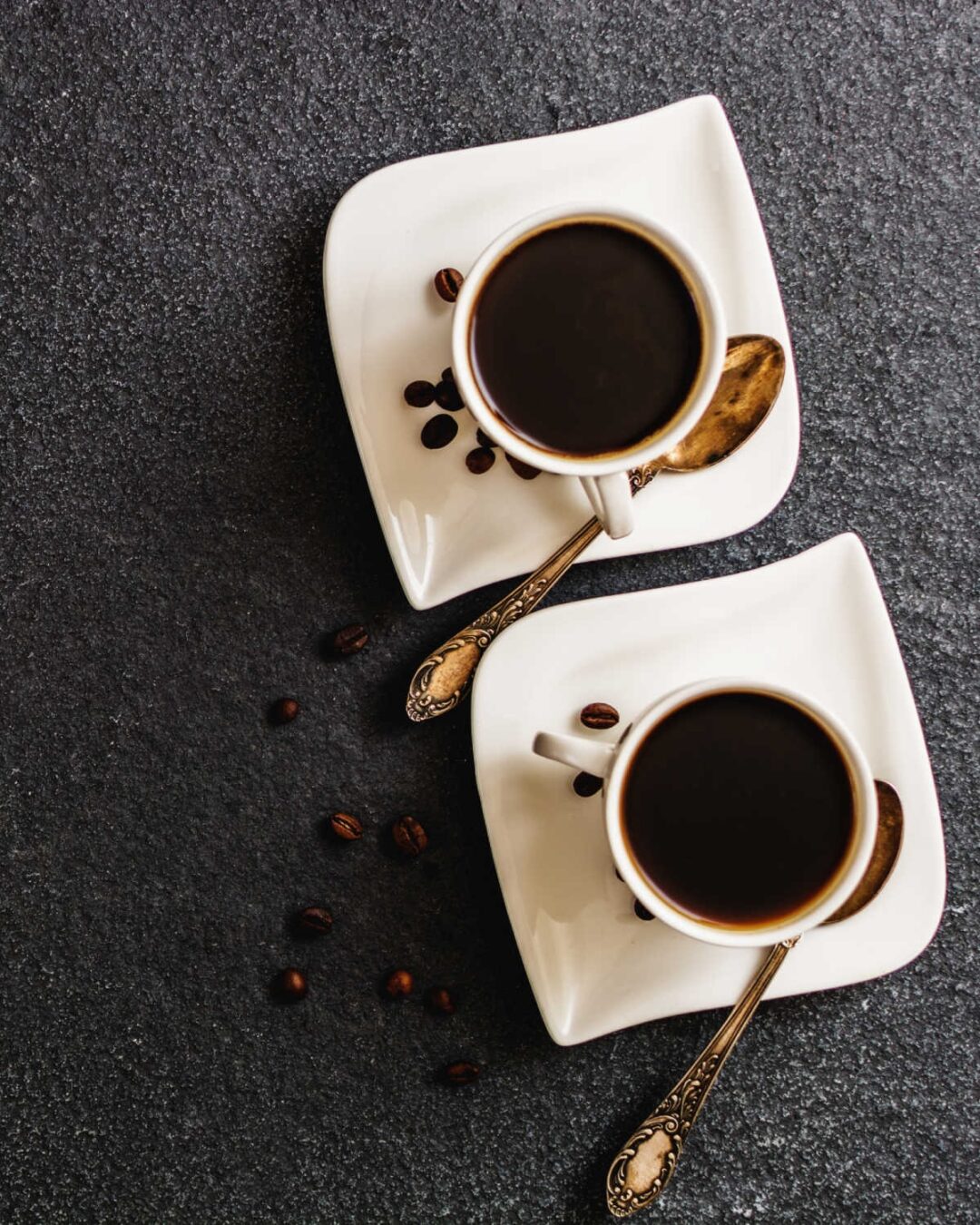
To compare two black coffees, prepare them under similar conditions, alternate between small sips, and notice four things: aroma, basic taste, mouthfeel, and finish. Describe the differences using ordinary words, then decide which cup you would rather drink again. You do not need professional vocabulary or special equipment.
Comparing coffee can sound more complicated than it needs to be.
Descriptions involving berries, flowers, chocolate, citrus, and caramel can make it seem as though experienced coffee drinkers possess a sensory ability that others don’t. You may taste two coffees and conclude that both simply taste like coffee. That is a perfectly reasonable starting point.
You do not have to identify a specific flavor note to notice that one coffee is smoother, brighter, more bitter, fuller, or easier to drink. Those relative differences are enough to begin understanding what you prefer.
Comparing Two Coffees Is Easier Than Judging One
When you drink one coffee by itself, you have to compare it with your memory of other cups. That can be difficult, especially when you are still becoming familiar with black coffee.
Putting two coffees next to each other gives you an immediate reference.
You may not know whether Coffee A is objectively bitter. But after tasting Coffee B, you may recognize that Coffee A is more bitter than Coffee B. You may not know how professionals describe body, but you may notice that one cup feels fuller or heavier.
Comparison turns an abstract question into a simpler one:
How is this cup different from the other cup?
Professional coffee evaluation uses systematic methods and shared sensory terms. The Specialty Coffee Association and World Coffee Research Sensory Lexicon provide extensive frameworks for that purpose.
You do not need to reproduce those professional systems at home. You only need a consistent enough comparison to make the differences easier to notice.
Choose Two Coffees With One Useful Difference
A helpful first comparison begins with coffees that are different enough to notice but not so different that everything changes at once.
- Two coffees with similar roast levels but different origins
- Two roast levels from the same brand or roaster
- A familiar coffee and one new coffee
- A regular and decaf version that are otherwise reasonably similar
- Two medium roasts with different flavor descriptions
Try not to begin by comparing two completely different preparation methods. If one coffee is brewed in a French press and the other is made with a drip machine, the brewing method may create more of the difference than the coffee itself.
For your first comparison, the goal is clarity rather than variety.
The article on how roast level and origin shape black coffee taste can help you choose a useful first pair.
Keep the Setup Consistent, Not Perfect
You are not conducting a laboratory experiment. You are simply reducing the most obvious distractions.
- Use the same brewing method.
- Use approximately the same coffee-to-water ratio.
- Use the same water.
- Serve similar amounts.
- Use similar cups.
- Compare the coffees at approximately the same temperature.
Label the cups Coffee A and Coffee B. This keeps the exercise focused on what you notice rather than what the package says you should notice.
If brewing both coffees at exactly the same time is impractical, do not abandon the exercise. Prepare small amounts as consistently as you reasonably can and allow them to reach a similar drinking temperature.
Consistency helps, but perfection is not required.
Compare Four Things
You can learn quite a bit by answering four questions.
Which aroma is more appealing?
Notice what you smell before and during the sip.
Which cup feels brighter or more bitter?
Identify the most noticeable basic taste contrast.
Which feels lighter, fuller, smoother, or drier?
Notice body and mouthfeel.
Which finish makes you want another sip?
Consider aftertaste and overall preference.
These questions deliberately avoid complicated tasting vocabulary.
If one coffee smells stronger, say that. If one feels smoother, richer, thinner, sharper, or easier to drink, use those words. They are useful observations even if they do not appear on a professional tasting form.
If you are uncertain whether a sensation is sour, bitter, sharp, or dry, use the four-way black coffee taste map rather than guessing.
Use a Simple Three-Round Comparison
Round One: Smell Both Coffees
Smell Coffee A, then Coffee B.
Do not try to identify specific foods or flavor notes yet. Start with broad differences:
- Which smells stronger?
- Does one smell darker or more roasted?
- Does one seem sweeter?
- Does one aroma feel fresher or more inviting?
You are comparing the aromas, not trying to name everything in them.
Round Two: Alternate Small Sips
Take a small sip of Coffee A. Pause briefly, then taste Coffee B.
Ask yourself for one relative difference:
- Is one more bitter?
- Is one brighter?
- Does one feel heavier?
- Is one smoother or easier to swallow?
- Does one leave a drier sensation?
Then reverse the order. Taste Coffee B first and return to Coffee A.
Reversing the order helps prevent the first cup from automatically becoming the standard against which everything else is judged.
Round Three: Return to Both Cups
Wait a few minutes and taste them again.
You may notice that your first impression remains accurate. You may also notice a difference that was not obvious during the first round.
The goal is not to determine why the coffee changed. The goal is to find out whether your preference remains the same after more than one sip.
Write One Sentence About Each Coffee
Avoid turning the comparison into homework. You do not need a scoring sheet or a page of tasting notes.
- Coffee A feels more ______ than Coffee B.
- Coffee B feels more ______ than Coffee A.
- I prefer ______ because ______.
For example:
Coffee A feels brighter and lighter than Coffee B. Coffee B feels fuller and more bitter. I prefer Coffee B because its heavier body makes it feel more satisfying.
That is a successful comparison.
You have identified meaningful differences and connected them to a preference. Naming blueberry, jasmine, cocoa, or toasted almond would not make the conclusion more valid.
For a broader explanation of aroma, body, bitterness, acidity, and flavor notes, see what black coffee tastes like.
Preference Is Not the Same as Quality
A coffee can be carefully grown, roasted, and brewed without being the coffee you prefer.
Likewise, preferring one cup does not prove that it is objectively better than the other. You may prefer:
- More bitterness
- Less acidity
- A fuller body
- A lighter finish
- Familiar roast flavors
- A cup that feels balanced rather than distinctive
Someone else may choose the other coffee for equally valid reasons.
This distinction matters because beginners are often encouraged to search for the “best” coffee when they have not yet identified what they enjoy. Comparison helps replace the broad question “Is this good?” with the more useful question “Which part of this experience works better for me?”
The guide to what good black coffee actually tastes like explains why balance and personal preference can matter more than finding one perfect flavor.
What If Both Coffees Taste Almost the Same?
That result is still useful.
The coffees may genuinely be similar, or the difference may be too subtle for your current frame of reference. You do not need to force a distinction merely because the packages use different descriptions.
For your next comparison, choose a clearer contrast:
- A lighter roast and a darker roast
- A smoother coffee and a brighter one
- A familiar blend and a single-origin coffee
- A fresh coffee and one that has been open longer
As the contrasts become easier to recognize, subtler differences may become easier to notice later.
What to Try After Your First Comparison
Repeat the exercise once with a deliberate contrast.
Change only one major factor when possible. You might compare two roast levels from the same company or two similarly roasted coffees from different origins.
Use the same four questions and the same three sentences. There is no need to create an elaborate tasting journal unless you enjoy doing so.
One careful comparison can teach you more about your preferences than repeatedly buying coffee based on package descriptions.
Frequently Asked Questions
Do I Need a Coffee Flavor Wheel?
No. A flavor wheel can help you refine your vocabulary later, but it is not necessary for comparing two cups. Simple relative terms such as brighter, more bitter, smoother, fuller, or drier are enough.
Should I Taste the Coffees Blind?
Blind labels can reduce the influence of packaging, price, or brand expectations. However, a blind comparison is optional. The exercise remains useful when you know which coffee is in each cup.
Can I Compare Coffees Made With Different Brewing Methods?
You can, but you will be comparing the complete drinking experiences rather than isolating differences between the coffees. For a clearer first experiment, use the same brewing method.
What If I Cannot Identify Any Flavor Notes?
Ignore specific flavor notes and compare intensity, bitterness, brightness, body, smoothness, and finish. Recognizing that one coffee feels lighter or easier to drink is already meaningful.
Compare, Choose, and Stop
Choose two coffees, spend about ten minutes alternating between them, and write one sentence about which cup you prefer.
You do not need to score them, identify every flavor, or decide which one deserves a professional award. You only need to notice a difference that helps you choose your next cup with a little more confidence.