
Most arguments about coffee aren’t really about coffee: they’re about words.
Someone says their coffee tastes sour. Someone else says it tastes bitter. A third person insists it’s just under-extracted. All three might be describing the same cup. The disagreement comes from collapsing several very different sensations into one vague complaint.
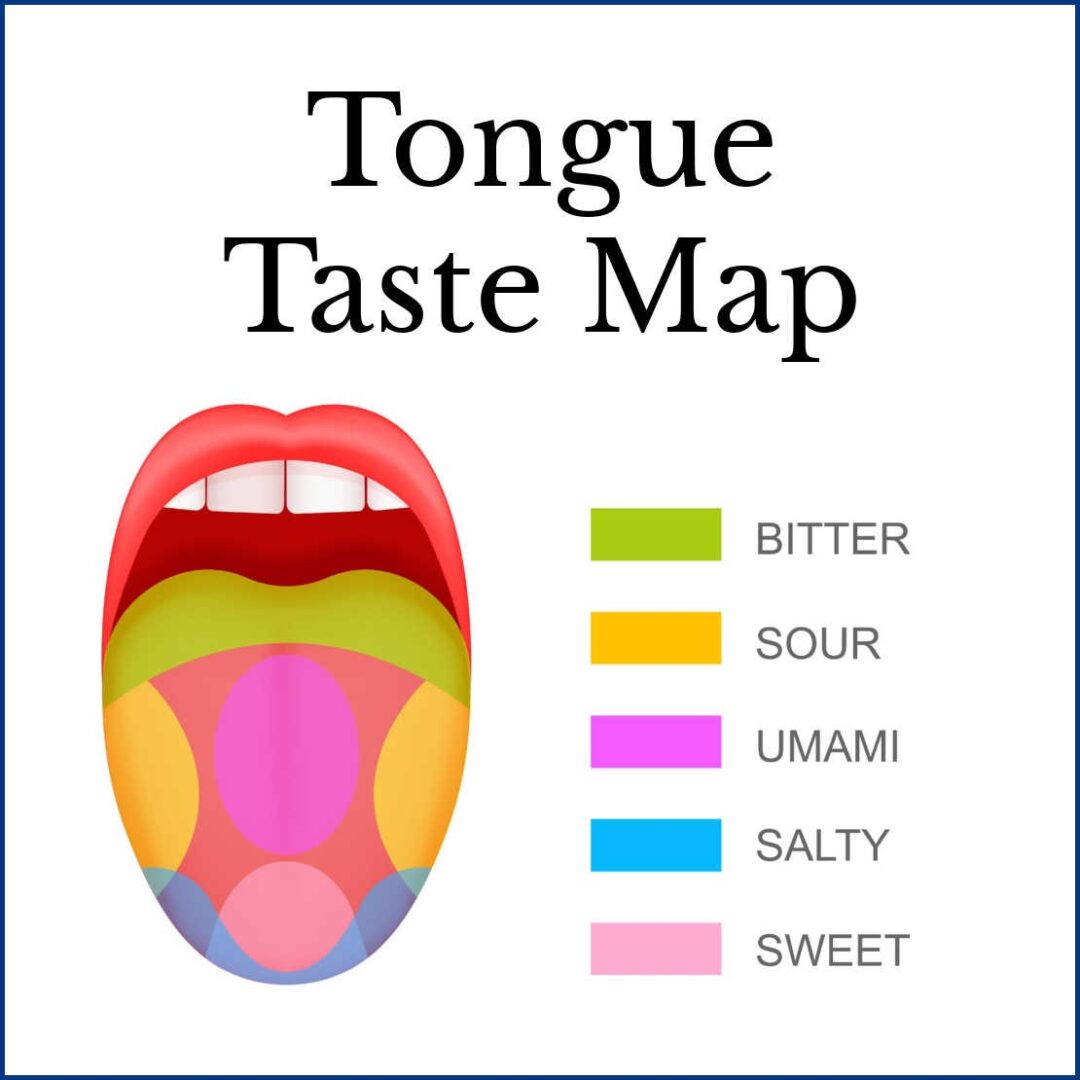
Black coffee becomes much easier to understand once you separate taste from mouthfeel and irritation. That is what this map is for.
Not to fix your coffee.
To name what you are actually experiencing.
Quick Answer: Sour and bitter are tastes. Dry and sharp usually are not.
In black coffee, sour and bitter come from the basic taste system. Dry is most often a mouthfeel effect, usually astringency. Sharp is an everyday word people use when something feels fast or pointed, often mixing taste, mouthfeel, and temperature effects.
When these sensations get lumped together, coffee problems are misdiagnosed. Separating them makes coffee advice easier to understand.
The Experience In One Paragraph
There are two sensations in coffee that are true tastes: sour and bitter. These belong to the basic taste system.
There are other sensations that feel just as strong, but they are not tastes. Dry is usually a mouthfeel effect, most often astringency. Sharp isn’t even a formal sensory category: it’s an everyday word people use when something feels fast, pointed, or prickly.
When these get mixed together, everything unpleasant becomes “sour” or “bitter”. Once you separate them, coffee advice starts making sense again.
A Quick Calibration Before We Go Further
Take a sip of black coffee. Don’t change anything or try to analyze it while drinking.
After you swallow, notice three things:
- Do you feel a watery surge of saliva, especially near the ear and jaw area?
- Does an unpleasant taste linger on the back of the tongue?
- Does your mouth feel less slippery or more rough after swallowing?
These are signals, not rules. The goal is awareness, not classification.
Sour: What It Is And What It Is Not
Sour is a basic taste. It is the taste most strongly associated with acids. In coffee, it often shows up as brightness, liveliness, or fruit-like clarity.
Sourness tends to trigger saliva production. That watery mouth response is one reason bright coffees can feel refreshing rather than heavy.
Sour is not automatically a flaw.
What People Call Sour When It Is Not Sour
Many cups described as sour are actually something else:
- Thin or hollow cups that lack sweetness
- Coffee that feels prickly and rough rather than juicy
- Coffee that tastes fine at first but becomes unpleasant as it cools
In those cases, the sharp or dry sensation is doing most of the work, but sour gets blamed because it is the only word people know.
Where Sour Fits In Black Coffee
Some coffees are designed to be sour leaning. Light roasts and certain origins emphasize acidity on purpose. The problem is not sourness, but not knowing when sour is the main event or a side effect of something else.
Bitter: Structure, Not Failure

Like sour, bitter is a basic taste. It tends to linger longer than sour and often shows up toward the back of the tongue.
Bitterness is part of coffee’s structure. Without some bitterness, coffee can feel flat, watery, or one dimensional.
When Bitterness Becomes A Problem
Bitterness turns unpleasant when it dominates everything else or hangs on long after swallowing. That is when people start chasing ways to eliminate it entirely, often overshooting into blandness.
Many people confuse bitterness with roast aroma. Dark, smoky, or charred smells are not bitterness. They are aromas. The bitterness question is about what happens on the tongue and how long it stays.
Dry: The Mouthfeel That Hijacks Everything
Dryness in coffee is usually astringency. This is a mouthfeel effect, not a taste.
Astringency reduces lubrication in the mouth. It creates friction. The classic comparison is strong tea or unripe fruit. After swallowing, your mouth feels tighter, rougher, or puckered.
Why Dry Gets Mislabeled As Sour Or Bitter
Dryness is uncomfortable, and the brain wants to label discomfort with a taste word. Sour and bitter are the usual victims.
This is why someone can insist a coffee is bitter even when very little bitterness is present. What they are reacting to is texture, not taste.
If the unpleasantness shows up as friction after swallowing, you are in dry territory.
Sharp: The Word People Use When Something Feels Fast And Pointed
Sharp is not a standardized sensory term. In coffee discussions, “sharp” is often used when people are unsure whether they are tasting acidity, dryness, or both.
Rather than banning the word, it helps to make it precise.
Two Kinds Of Sharp Worth Separating
Sharp sour: This feels quick and bright. It hits fast, often alongside citrus or fruit like aromas. It usually fades quickly.
Sharp dry: This feels prickly or harsh and is often paired with dryness or roughness. It is less refreshing and more fatiguing.
People often experience sharpness most strongly when coffee is very hot or as it cools through a certain temperature range. Temperature changes how strongly different sensations are perceived, which is why a cup can seem balanced one minute and aggressive the next.
The Confusion Matrix
Here are some common mislabels and what they usually mean:
- “This is sour”
Often means sharp plus dry - “This is bitter”
Often means dry or lingering roughness - “This is harsh”
Often means sharp dry at higher temperatures - “This is flat”
Often means low aroma perception rather than lack of taste - “This is strong”
Often means bitter without enough sweetness - “This tastes acidic”
Often means sharp sour without sweetness
Once you can separate these, coffee advice becomes readable instead of contradictory.
How To Use This Map Without Becoming Obsessive
This map is not a checklist.
You are not trying to eliminate sour, bitter, sharp, or dry. You are trying to name which ones are present.
When you can say, “This is a little sharp and dry but not very bitter,” you are already ahead of most coffee conversations. Improvement becomes possible because you are no longer fixing the wrong problem.
A Simple Invitation
The next time you drink black coffee, don’t change your grind, water, or brew method.
Just describe the cup using two words from this map.
Clarity comes before control.