
Quick Answer: Roast level controls how much of a coffee’s original flavor survives, while origin determines what flavors are possible in the first place. When you drink coffee black, lighter roasts tend to reveal more origin character, medium roasts emphasize balance and sweetness, and darker roasts emphasize roast driven bitterness and intensity. Understanding how roast and origin interact explains why some black coffees taste bright and lively while others taste heavy or bitter, even when brewed the same way.
Introduction
Most advice about coffee beans focuses on what to buy. That’s useful. But it skips a more important question.
Why does black coffee taste so different from one bag to the next, even when you brew it the same way?
When you drink coffee without milk or sugar, nothing smooths over the answer. What you taste is the result of two forces working together: how the coffee was roasted and where the coffee was grown.
This article is not about choosing beans. It is about understanding why black coffee tastes the way it does after the choice is already made, so your experiences stop feeling random.
Roast Level Controls What You Taste
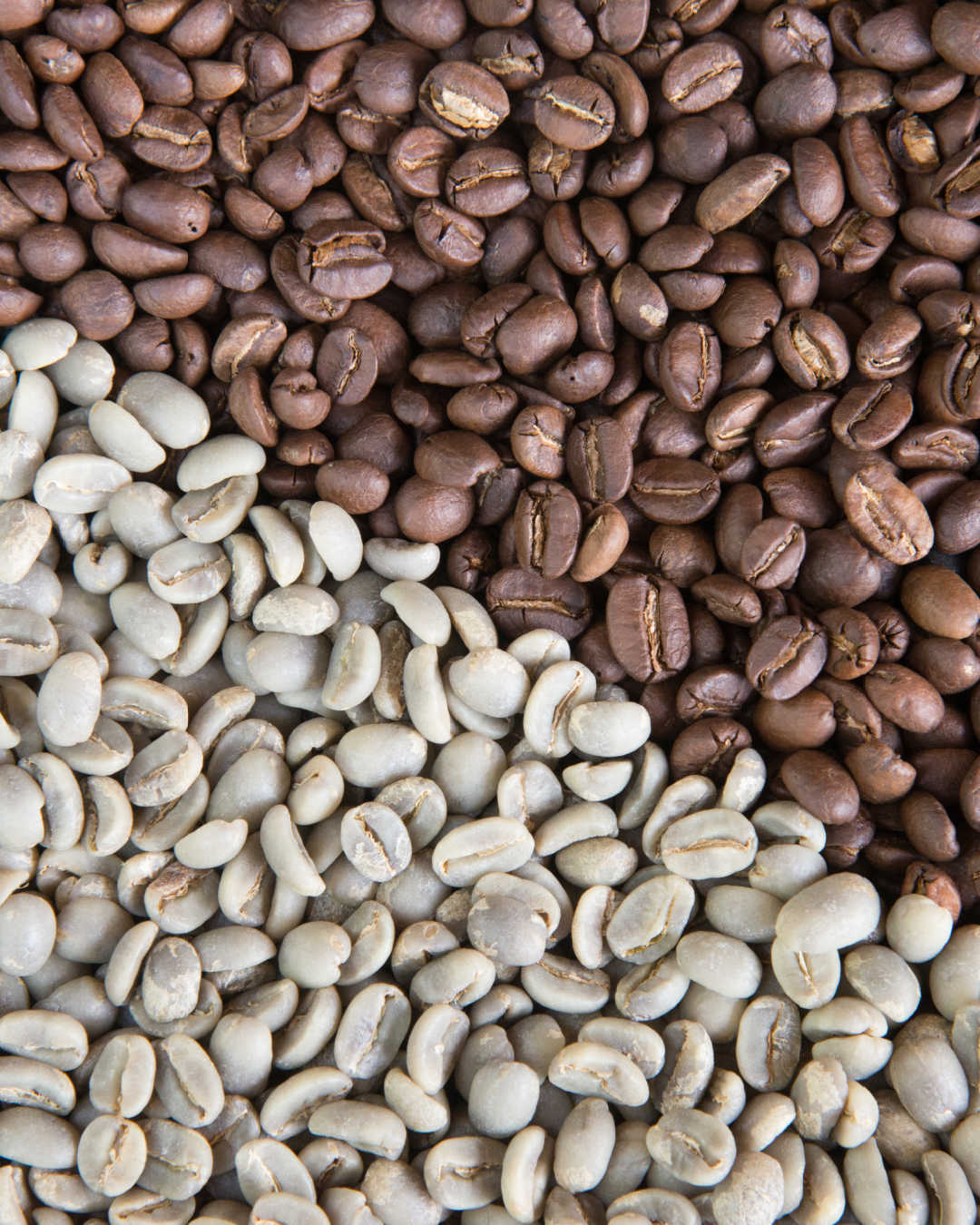
Roasting does not just darken coffee, it determines which flavors remain visible in the cup.
As roasting progresses, heat reshapes acids, sugars, and aromatic compounds, changing which flavors are loud and which quietly disappear. This is why roast level has such a strong influence on black coffee.
Light Roast and Flavor Structure
Light roasts preserve more of the bean’s original chemistry. This usually means higher perceived acidity, clearer structure, and more distinct aromatics.
In black coffee, light roasts often taste bright, lively, or sharp. For new black coffee drinkers, this brightness is sometimes mistaken for sourness, even when the coffee is well brewed.
Light roast does not mean weak. It means less roast flavor and more bean character.
Medium Roast and Balance
Medium roasts develop more sweetness as sugars caramelize further. Acidity softens. Body increases. The cup feels more rounded.
For many black coffee drinkers, medium roast feels approachable because it balances clarity with comfort. It still allows the origin’s character to show, but with fewer sharp edges.
This is often where people first think, “I finally get black coffee.”
Dark Roast and Intensity
Dark roasts push roast flavors to the foreground. Bitterness increases. Origin differences shrink. Smoke, cocoa, or charred notes dominate.
Some people enjoy dark roast black coffee for its weight and intensity. Others find it overwhelming or flat. What matters is recognizing that at darker roast levels, you are mostly tasting the roast itself, rather than where the coffee came from.
Origin Determines the Shape of the Flavor
If roast level controls how much flavor survives, origin determines what that flavor can be.
Before roasting ever begins, coffee beans develop their internal chemistry based on altitude, climate, soil, and growing conditions. That chemistry sets the boundaries of possible taste.
What Coffee Origin Really Means
Origin isn’t a promise of specific flavors: it’s a set of tendencies.
Higher altitude coffees often develop more acidity and aromatic complexity. Lower altitude coffees often develop heavier body and softer edges. These tendencies become more noticeable when coffee is drunk black.
Origin does not guarantee fruit, chocolate, or floral notes. It simply makes those notes possible.
Common Origin Flavor Patterns in Black Coffee
Very broadly speaking:
- Some East African coffees tend to feel lighter, brighter, and more aromatic
- Many Central and South American coffees tend to feel balanced and rounded
- Some Indonesian coffees tend to feel heavier and earthier
These are patterns, not rules. Roast level and processing still matter.
Why Roast Level Can Hide or Reveal Origin Flavor
This is where everything comes together.
Roast level and origin do not act independently: they interact.
When Origin Speaks Loudest
Lighter roasts give the origin’s character room to show. Acids remain intact. Aromatics stay expressive. Differences between origins are easier to detect.
This is why black coffee drinkers who enjoy nuance often gravitate toward lighter roasts. The coffee feels articulate rather than blunt.
When Roast Takes Over
As roast level increases, origin differences compress. Two coffees from very different places can begin to taste similar once roast flavor dominates.
This explains a common frustration. You buy a highly praised coffee, brew it carefully, and still feel underwhelmed. The roast may simply be masking the origin qualities you expected.
Why This Matters More When You Drink Coffee Black
Milk and sugar act like filters. They soften acidity, absorb bitterness, and blur differences.
Black coffee removes those filters.
Why Milk and Sugar Mask Differences
Additives compress flavor. They reduce contrast. This can make many coffees taste pleasant in similar ways.
Without them, every decision made before brewing becomes more visible.
Why Black Coffee Exposes Preferences and Mistakes
Black coffee makes it easier to confuse acidity with sourness, and bitterness with strength.
A coffee is not bad just because it is not right for you.
The Third Variable You Should Know About (But Not Obsess Over)
Processing method influences how flavors are expressed, but it does not override roast and origin.
Processing Method Summarized
- Washed coffees often taste cleaner and more structured
- Natural coffees often taste fruitier and heavier
- Honey processed coffees often fall somewhere in between
Processing modifies how the origin’s character shows up, but does not replace it.
How to Interpret Flavor So You Stop Guessing
Instead of asking whether a coffee is good or bad, ask what it’s doing.
If You Like Bright and Structured Coffee
You will usually prefer coffees where origin character is preserved and acidity remains visible. These coffees feel lively and distinct when drunk black.
If You Like Smooth and Rounded Coffee
You will usually prefer coffees where sweetness and body balance acidity. These coffees feel comfortable and forgiving without additives.
If You Like Bold and Intense Coffee
You will usually prefer coffees where roast character dominates. These coffees feel heavy, forceful, and straightforward.
None of these preferences are more correct than the others.
Why a Coffee Can Be Good and Still Wrong for You
A coffee can be well made, well roasted, and widely praised, yet still clash with your preferences.
Understanding roast and origin turns disappointment into information.
Instead of thinking “this coffee is bad,” you start thinking “this is not how I like coffee to behave.”
A Simple Two Coffee Experiment That Makes This Click
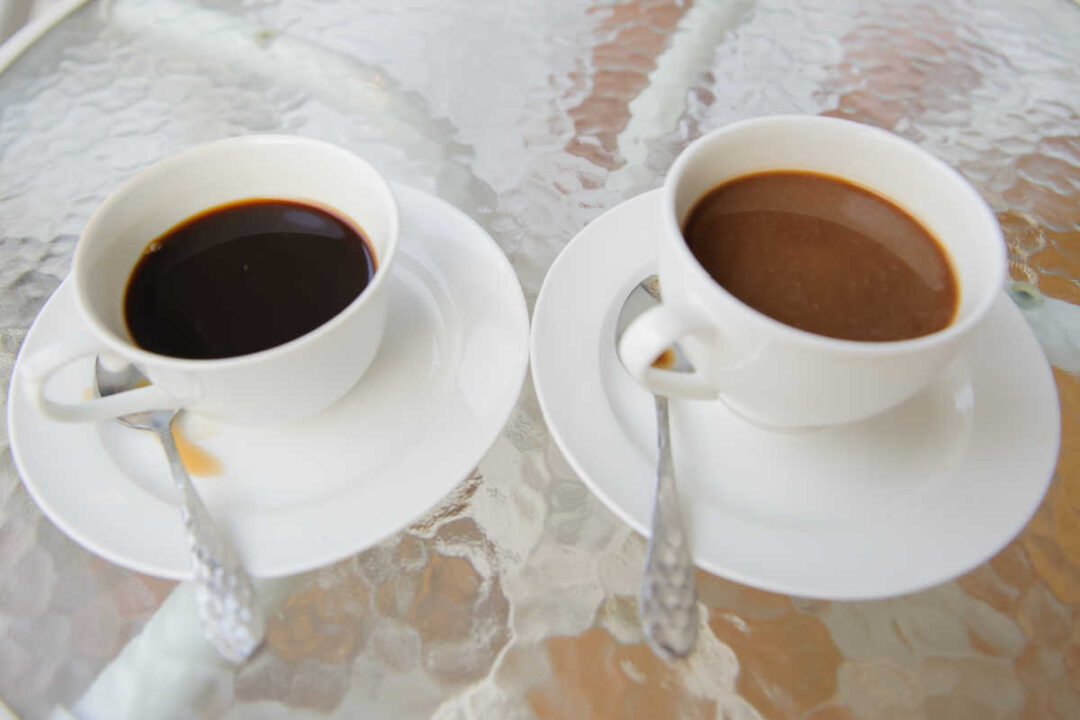
Buy two coffees and change only one variable.
Same origin, different roast.
Or same roast, different origin.
Brew them the same way. Drink them black. Take brief notes.
This experiment does more to calibrate your taste than any tasting wheel ever will.