If black coffee keeps tasting wrong, it could be the beans, the brewing, or both. Brewing problems usually change when you adjust one variable in a clear direction. Bean-related problems are more likely when the cup remains consistently unpleasant despite a stable, reasonable recipe.
The goal is not to diagnose the cup perfectly from one sip. It is to decide what to test next without changing everything at once.
First Separate “Bad” From “Not My Preference”
A coffee can be fresh, well roasted, and competently brewed and still not suit you.
You may not like a roast that feels smoky, an origin that tastes brighter than you enjoy, or a coffee that feels lighter or fuller than you prefer. Brewing can change how strongly those traits appear, but it can’t turn every coffee into the same style.
This is the first diagnostic fork: does the cup seem flawed, or does it simply taste like a kind of coffee you do not enjoy?
If the same flavor keeps appearing across several careful brews, preference becomes more plausible. If the cup swings from sour to bitter or from weak to harsh, then brewing deserves more attention.
Signs the Brewing Is More Likely the Problem
Brewing is the stronger suspect when the result is unstable or responds clearly to controlled adjustments. These clues are not proof on their own, but together they point toward process rather than the coffee itself.
The Result Changes From Cup to Cup
If the same coffee tastes balanced one morning and sharply sour or bitter the next, the beans are unlikely to be the only explanation. Look first at dose, water amount, grind, brew time, temperature, or technique.
TBCL’s Why Your Black Coffee Tastes Different From One Day to the Next owns that repeatability problem in more detail.
Small Adjustments Move the Flavor in a Clear Direction
A useful brewing change produces data for you. If a slightly finer grind reduces a thin, sour impression, or a small ratio adjustment makes a diluted cup more satisfying, the process is teaching you something.
That doesn’t mean one symptom always has one cause. TBCL’s bitter-or-sour guide treats those sensations as clues, not automatic diagnoses. What matters here is that the cup responds predictably when one variable changes.
Another Method Produces a Better Cup From the Same Coffee
If the same beans taste poor in your normal setup but noticeably better through another familiar brewer, the coffee itself is less likely to be the whole problem.
The comparison is most useful when the second method is one you already know how to use. Otherwise you may be replacing one unknown with another.
Signs the Coffee Itself Is More Likely the Problem
The coffee becomes more suspect when the same unwanted character survives a stable brewing process. The question is whether you are seeing staleness, a roast or origin characteristic, or simply a mismatch between the coffee and your preference.
The Coffee Tastes Consistently the Same Kind of Wrong
If several careful brews all taste smoky, unusually sharp, overly roasty, or too light for your preference, repeated recipe changes may not solve the problem.
At that point, the flavor may be part of the coffee’s roast or origin character rather than a brewing problem.
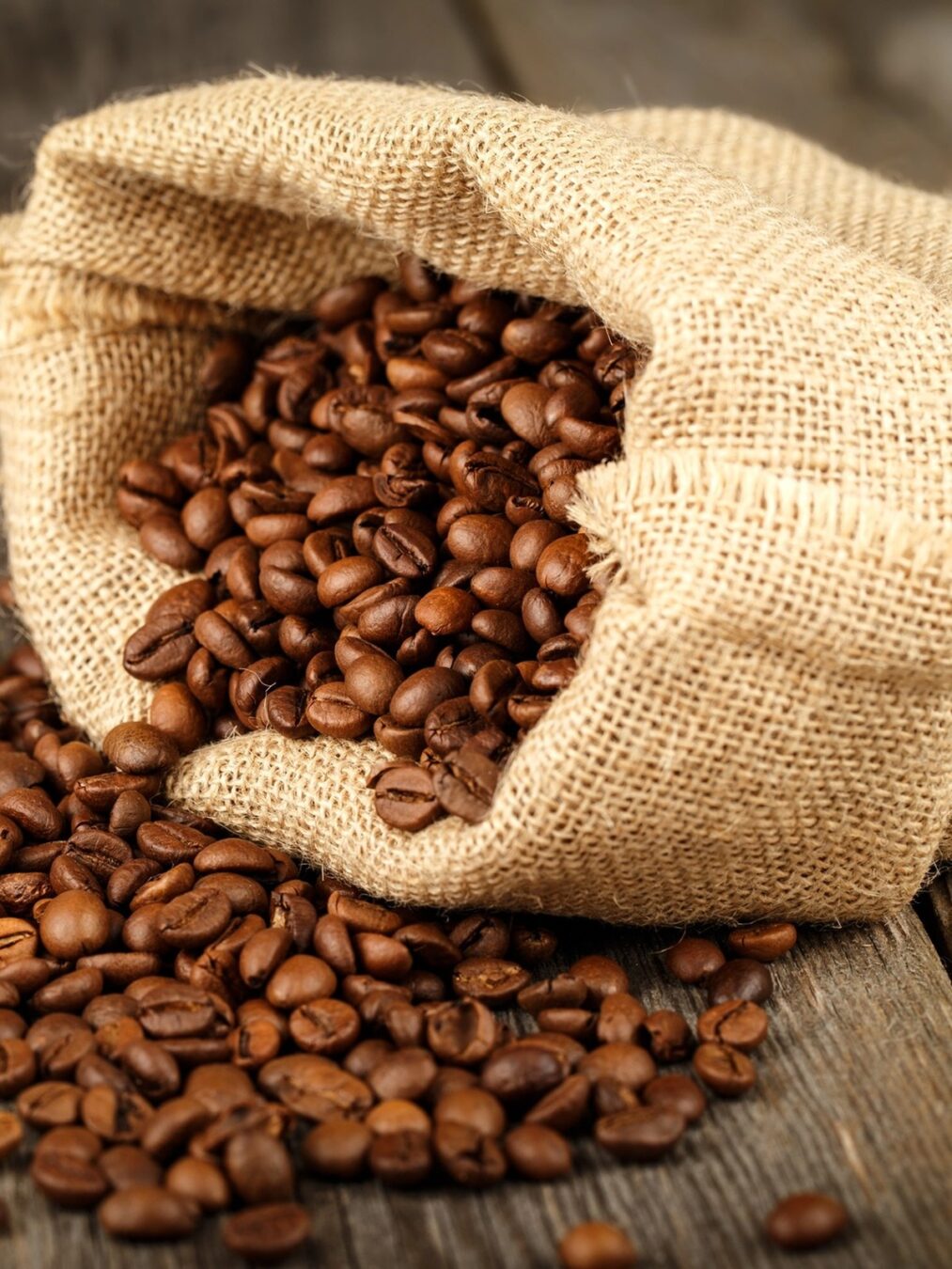
The Bag Has Lost Aroma or Has Been Open a Long Time
Coffee changes after roasting and after exposure to air. Aroma compounds fade, oxidation progresses, and the cup can become flatter or duller even when the recipe remains stable.
If the coffee used to taste satisfying and gradually became less expressive, freshness is a stronger explanation than suddenly broken technique. TBCL’s Why Your Black Coffee Tastes Flat After Day 10 owns that pattern.
The Flavor Matches a Roast or Origin Trait You Do Not Enjoy
A darker roast can taste more roasted, smoky, or bitter. A lighter roast may present more acidity or a lighter body. Origin and processing can also shift the flavor balance.
Those traits are not automatically defects. If the cup is consistent and the characteristic itself is what bothers you, changing coffee may be more useful than continuing to tune the brew.
The Best Test Is to Change the Coffee or the Brew, Not Both
The cleanest home test is to keep one side of the equation familiar and hold the other variables as steady as practical. This won’t prove a single cause, but it can tell you which direction deserves attention next.
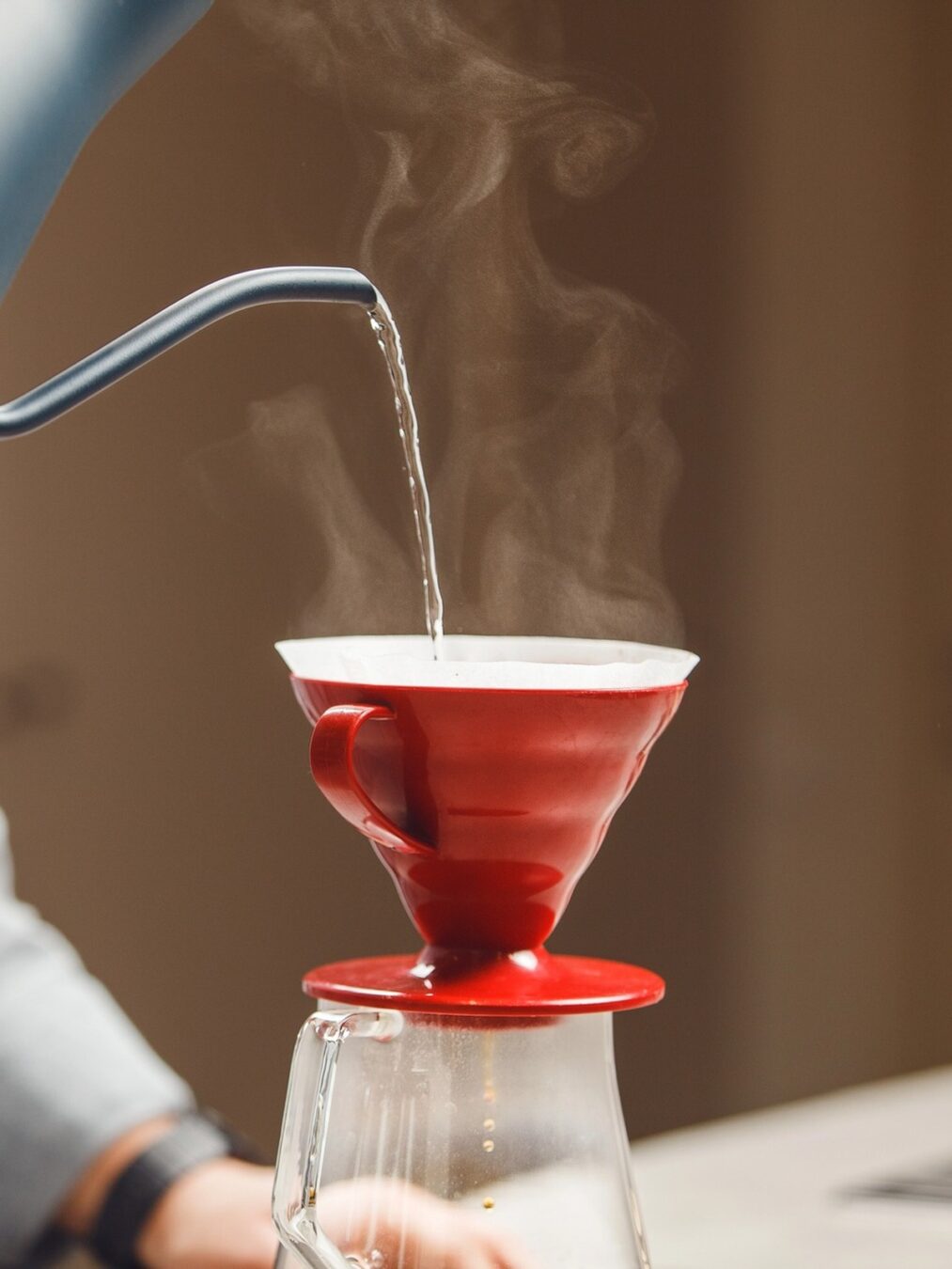
Option one: brew the questionable coffee with a method you trust and can repeat. If the same unwanted character remains, the coffee moves higher on the suspect list.
Option two: use a familiar coffee that normally tastes good in your current brewing setup. If that coffee also tastes wrong, the brewing process or equipment becomes more likely.
Do not change beans, ratio, grind, water, and brewer at the same time. That may produce a better cup, but it will not tell you why.
What Your Result Means
The comparison is useful because each outcome points toward a different next step rather than another round of random adjustments.
If a different coffee tastes good with the same basic setup, the original coffee was probably part of the problem. That may mean staleness, roast character, or preference rather than poor quality.
If coffee you know well suddenly tastes off with the current setup, look at the brewing process. Check dose, water, grind, temperature, filter placement, cleanliness, and anything else that changed.
If two noticeably different coffees collapse into the same dull, bitter, or sour result, the brewing process may be masking their differences. Water, grind, extraction, or equipment becomes more plausible.
When Results Remain Inconsistent
If no test repeats reliably, solve the consistency problem first. A diagnosis is difficult when the baseline moves every time you brew.
When Equipment Is Worth Blaming
Equipment belongs later in the diagnosis.
A grinder is worth investigating when your dose, water, coffee, and basic technique are stable but the cup still responds unpredictably to grind changes. A brewer deserves attention when flow, temperature, or brew time changes despite the same setup.
That is different from assuming a more expensive grinder or brewer will fix a cup you do not understand yet. TBCL’s Do You Actually Need a Better Coffee Grinder for Black Coffee? owns the broader upgrade decision.
What to Change With Your Next Cup
Choose one of two tests.
- Keep your brewing method the same and substitute a familiar coffee.
- Keep the coffee the same and brew it with a method you already trust.
If one change produces a clear improvement, follow that signal. If the result is still confusing, return to the specific symptom rather than making a purchase.
Summing Up
The goal is not to prove that the beans or your brewing are objectively bad. It is to find the most useful next move. If a brewing change improves the cup predictably, keep working on the brewing. If a stable, reasonable brew keeps producing the same unwanted character, consider changing the coffee. If neither result repeats reliably, solve the consistency problem first.