

In coffee, body describes how the drink feels in your mouth: its apparent weight, thickness, coating sensation, and texture. A coffee can feel light and tea-like, medium and rounded, or full and coating. Body is not the same thing as strength, bitterness, or quality, and a fuller-bodied coffee is not automatically a better one.
If you have ever said one coffee feels “thin” while another feels “rich” or “substantial,” you were already noticing body even if you didn’t have a word for it.
Coffee Body Is About How the Drink Feels in Your Mouth
Most everyday coffee language focuses on flavor: bitter, sweet, nutty, fruity, smoky, or sour. Body is different because it is primarily tactile. You notice it through the physical sensation of the liquid on your tongue, cheeks, and palate.
The Specialty Coffee Association describes this broader sensory category as mouthfeel. Its current Coffee Value Assessment uses mouthfeel because the term is easier to define and includes sensations that the older word body did not always capture clearly.
For the black coffee drinker, the useful point is simple: body is the part of the experience that answers, “How does this coffee feel?” rather than only, “What does this coffee taste like?”
Body and Mouthfeel Are Closely Related, but Not Identical
Coffee people often use the words body and mouthfeel as if they mean the same thing. In ordinary conversation, that usually causes little trouble. SCA’s newer terminology is more precise.
Body traditionally refers to the sense of weight, fullness, viscosity, or coating character in the cup. Mouthfeel is broader. It can include texture, temperature, astringency, drying sensations, and other physical impressions.
That distinction matters mostly when you want to describe a cup accurately. You don’t need professional sensory vocabulary to enjoy black coffee: it’s enough to notice whether the cup feels light, heavy, silky, drying, rough, creamy, clean, or coating.
How to Notice Body Without Coffee-Tasting Vocabulary

Take a sip and briefly ignore flavor. Instead, pay attention to what happens physically.
- Does the coffee feel light and quick, or does it seem to linger?
- Does it coat your tongue or disappear cleanly?
- Does it feel silky, creamy, thin, heavy, drying, or rough?
- Does the physical sensation remain after you swallow?
You don’t need to name the sensation perfectly: relative comparisons are easier and more useful than absolute judgments. “Coffee A feels fuller than Coffee B” can already be a meaningful observation.
What Light, Medium, and Full Body Actually Mean
These labels are relative, not quality grades. Think of them as a simple way to compare how much weight or coating sensation one coffee has against another.
Light Body
A light-bodied coffee feels relatively delicate or quick in the mouth. People sometimes compare it with tea because it leaves less coating sensation and can feel clean or crisp.
Light body does not mean weak coffee. A light-bodied cup can have vivid flavor and plenty of intensity.
Medium Body
Medium body sits between delicate and heavy. It may feel rounded or substantial without becoming thick or strongly coating. Many everyday filter coffees fall somewhere in this broad middle range.
Because body is relative, “medium” is less useful as a fixed technical category than as a comparison with coffees you already know.
Full Body
A full-bodied coffee feels heavier, richer, or more coating. The sensation may linger after the sip and can contribute to an impression of richness.
Full body is not automatically smoother. A heavy cup can also feel rough, drying, or harsh, just as a lighter coffee can feel silky and pleasant.
Body Is Not the Same as Strength
This is one of the easiest coffee concepts to confuse.
Strength describes how concentrated the brewed coffee is. In technical brewing language, it relates to the amount of dissolved coffee material in the beverage. Body describes tactile sensation.
Those qualities can move together, but they do not have to. You can brew a concentrated coffee that still feels relatively clean and light. You can also have a coffee with noticeable texture and body that does not taste especially strong.
That’s why adding more coffee grounds isn’t a guaranteed fix for a cup that feels thin.
Body Is Not the Same as Smoothness
Smoothness is also a broader impression. When people call coffee smooth, they often mean the cup is easy to drink, balanced, not sharply bitter or sour, and free from rough or drying sensations.
Body can contribute to smoothness, but the two are not synonymous. A full-bodied coffee may feel plush and smooth, or it may feel heavy and harsh. A light-bodied coffee may feel thin to one drinker and elegant to another.
TBCL’s What Makes Black Coffee Taste Smooth? owns that broader question.
What Changes the Body of Black Coffee
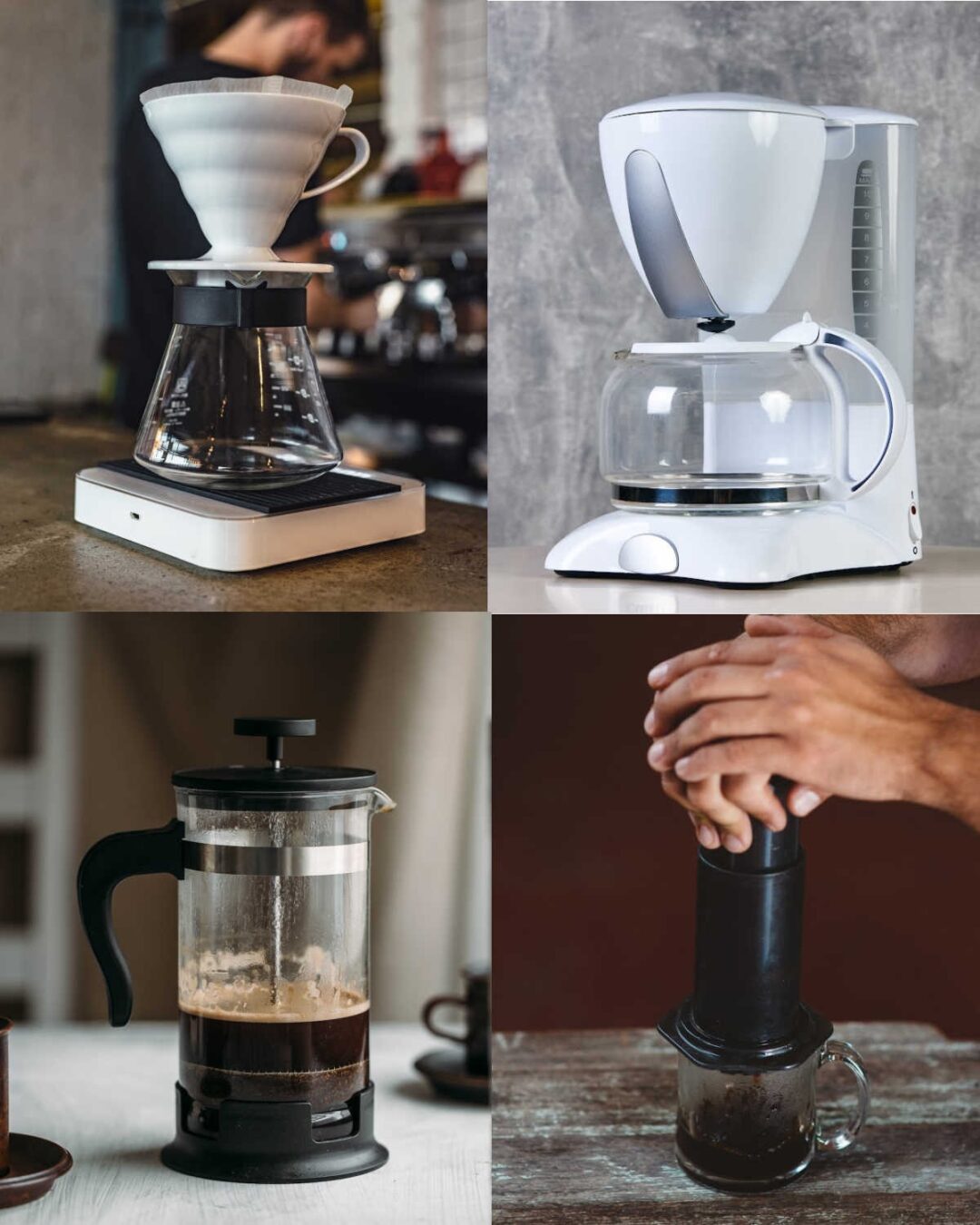
Body comes from more than one source. Brewing method, filtration, suspended material, and the coffee itself can all change how substantial the finished cup feels.
Brewing Method
Different brewing methods allow different amounts of oils, dissolved material, and suspended particles into the cup. That changes texture as well as flavor.
A paper-filtered drip coffee often feels cleaner because the filter retains more oils and fine particles. Metal filtration and immersion methods may allow more of those materials into the beverage, which can contribute to a fuller or more textured impression.
The point is not that one method is superior. The method helps explain why two well-brewed coffees can feel physically different.
Coffee Oils and Fine Particles
The SCA notes that undissolved particles and oils are among the compounds implicated in coffee mouthfeel. That helps explain why filtration changes more than clarity.
When more oils or very fine particles remain in the beverage, the cup may feel more coating or substantial. When filtration removes more of them, the cup may feel cleaner and lighter.
Roast and Coffee Characteristics
The coffee itself also matters. Roast, processing, origin, and the coffee’s physical composition can all affect the sensory result.
You do not need to predict body from a bag label. The simpler approach is to treat body as something you observe in the finished cup and compare with other coffees you have tried.
Compare Two Cups to Make Body Easier to Notice
Body is easier to learn by comparison than by definition.
Prepare two coffees under reasonably similar conditions. Take a small sip of each and ask only one question: Which cup feels heavier or more coating?
Then try to describe the difference without judging it. One might feel cleaner and lighter. The other might feel rounder and more substantial.
That is enough. You have identified body without needing a scoring form or professional tasting vocabulary.
The same idea is used in TBCL’s How to Compare Two Black Coffees Without Becoming a Coffee Expert.
What to Notice in Your Next Cup
On your next cup of black coffee, separate flavor from feel for one sip. First notice what you taste. Then notice the physical sensation: light or heavy, clean or coating, silky or drying.
You do not need to decide which body is objectively “better.” The useful distinction is whether that mouthfeel makes the coffee more or less satisfying to you.
If the cup tastes flavorful enough but still seems physically weak or insubstantial, the next step is Why Your Black Coffee Tastes Weak, Thin, or Watery.