

If black coffee tastes weak, thin, or watery to you, adding more coffee may help, but only if the real problem is beverage strength. A cup can also feel thin because extraction is incomplete, the grind is inconsistent, or the brewing method produces less body than you expect. The useful first step is to decide what is actually missing before you change the recipe.
That matters because “weak,” “thin,” and “watery” often get used as if they mean the same thing. They can overlap, but they point toward different fixes.
Weak, Thin, and Watery Are Not Quite the Same Problem
Coffee drinkers usually describe a cup as “weak” when the flavor seems too diluted or faint. “Thin” usually describes the way the coffee feels in the mouth: light, lacking weight, or disappearing quickly. “Watery” can combine both impressions, especially when the flavor and mouthfeel seem less substantial than expected.
The Specialty Coffee Association separates related brewing ideas into measurable concepts such as beverage strength, extraction, and brew ratio. Strength describes how concentrated the dissolved coffee material is in the finished drink. Extraction describes how much material moved from the grounds into the water. Brew ratio describes the relationship between coffee and brewing water.
You don’t need to measure any of those numbers to troubleshoot a home cup. But the distinction explains why one adjustment may not fix every weak-tasting coffee.
First Decide What Is Missing From the Cup
A quick symptom check helps separate a simple strength problem from an extraction or mouthfeel problem. Start with the description that best matches what you notice in the cup.
The Coffee Tastes Weak
If the coffee tastes clean and recognizable but simply too diluted, start with the coffee-to-water ratio. You may be using less coffee, more water, or a less repeatable measuring method than you think.
This is the simplest case. Before changing grind size, water temperature, beans, or equipment, make one ratio adjustment and see whether the flavor becomes more satisfying.
The Coffee Tastes Thin
A thin cup may have enough flavor intensity but still feel light or insubstantial in your mouth. That points more toward body or mouthfeel than simple strength.
Paper filtration, brewing method, coffee oils, suspended fine particles, roast character, and extraction can all influence how much weight or coating sensation you perceive. A cup can be properly brewed and still feel lighter than another coffee you prefer.
The Coffee Tastes Watery
Watery is often the least precise of the three descriptions. It may mean weak concentration, thin body, incomplete extraction, or some combination. Rather than treating “watery” as a diagnosis, think of it as the starting symptom.
Ask two questions: Does the coffee need more flavor intensity? And does it need more physical weight in the mouth? Your answers will point toward different next steps.
If the Coffee Is Simply Weak, Check the Ratio First
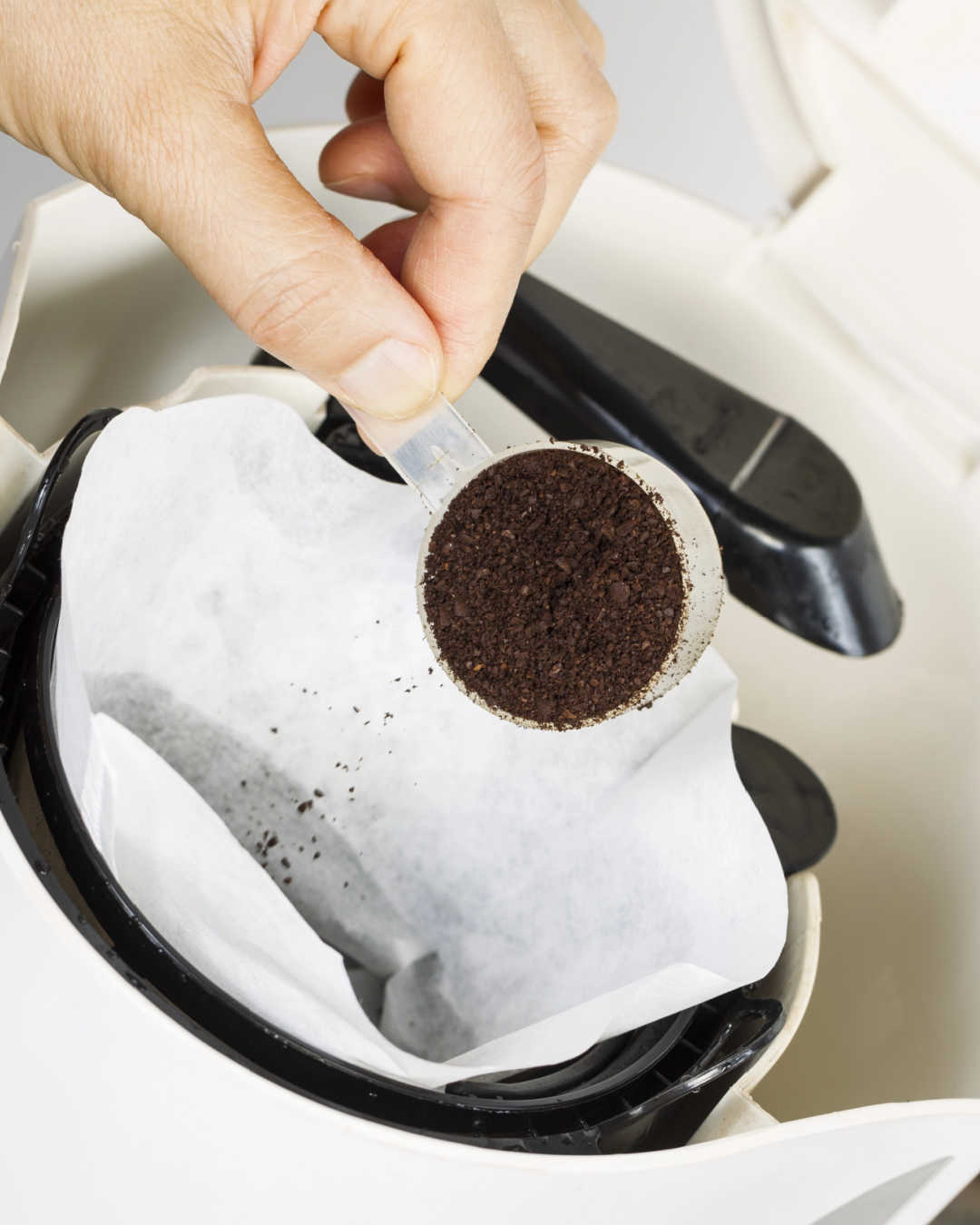
The easiest variable to control is how much coffee you use for a given amount of water. If your dose changes from one brew to the next, the finished strength changes too.
You don’t need to chase a supposedly “perfect” ratio. The goal is repeatability. Use the same scoop filled the same way, or weigh the coffee and water if you already own a scale. Brew the same coffee with the same method, then make one modest change.
If the stronger ratio produces the cup you wanted, you have learned something useful. Stop there instead of changing three more things.
For a deeper explanation of this relationship, see Coffee Ratios Explained Simply for Black Coffee Drinkers.
If It Tastes Weak and Sour, Extraction May Be the Problem
A cup can taste weak even when the ratio is reasonable if the water has not extracted enough from the grounds. In practical terms, the coffee may seem unfinished: light in flavor, sharply sour, or hollow rather than merely diluted.
Grind size, contact time, water flow, and brewing temperature can affect extraction. The SCA’s brewing research emphasizes that different brewing variables can change both measured extraction and sensory results.
The key is not to memorize extraction theory. Notice the combination of symptoms. If the cup is weak but also noticeably sour or underdeveloped, simply adding more coffee can make the recipe more expensive without solving the underlying problem.
The TBCL guide Why Black Coffee Tastes Bitter or Sour and How to Fix It Without Guesswork owns that deeper diagnosis.
If the Flavor Is There but the Cup Feels Thin, Think About Body
Suppose the coffee has plenty of recognizable flavor, it’s not obviously diluted, and it’s not sharply sour. Yet the sip feels light and disappears quickly. That’s when body becomes the more useful idea.
Body describes the tactile impression of the coffee in your mouth. A fuller-bodied cup may feel heavier, rounder, creamier, or more coating. A lighter-bodied cup may feel cleaner, thinner, or more tea-like. Neither is automatically better.
This is important because adding more grounds can increase strength without creating the kind of body you actually want. If mouthfeel is the issue, brewing method and filtration may matter more than simply making the drink more concentrated.
See What Does “Body” Mean in Black Coffee? for the full explanation once that article is published.
Grind Consistency Can Make the Same Recipe Taste Different
If your ratio seems stable but the cup changes noticeably from day to day, grind consistency becomes more important. If coffee is ground into a wide mix of particle sizes it does not extract uniformly. Small changes in dose, retention, grind setting, or how the grinder is used can make a familiar recipe behave differently.
That doesn’t mean a new grinder is automatically the answer. First decide whether inconsistency is actually the problem. If you can repeat the same dose, water amount, coffee, and brewing method but still get noticeably different results, the grinder becomes a more plausible variable.
TBCL’s Do You Actually Need a Better Coffee Grinder for Black Coffee? addresses that purchase decision directly.
Sometimes the Coffee Itself Is Part of the Problem

Brewing can’t restore aroma that the coffee has already lost. Coffee beans or (especially) grounds that have been open to the air for a while may taste flatter and less expressive, which can make the cup seem weaker even if the measured strength has not changed much.
Roast character can also shape the impression of body and intensity. A lighter, cleaner coffee may feel less heavy than a darker roast even when both are brewed competently. That is a preference question as much as a brewing question.
If a coffee that used to taste satisfying gradually becomes flat, TBCL’s Why Your Black Coffee Tastes Flat After Day 10 is the better next stop.
Change One Variable at a Time
The most useful troubleshooting rule is simple: do not change the ratio, grind, water temperature, beans, and brewer all at once.
Start with the symptom that seems closest to your cup.
- Too diluted but otherwise clean: adjust the coffee-to-water ratio.
- Weak plus sour or unfinished: investigate extraction.
- Flavorful but physically light: think about body and brewing method.
- Different every day: look for a repeatability problem.
- Gradually flatter over time: consider coffee freshness.
Make one change, brew again, and compare. That approach is slower than changing everything, but it teaches you which variable actually mattered.
What to Try With Your Next Cup
Before your next brew, describe the problem in one sentence without using the word bad.
Try: “The flavor is too diluted,” “the coffee tastes sour and unfinished,” or “the flavor is fine but the cup feels too thin.”
Then change only the variable that matches that description. The goal is not to engineer a perfect cup in one attempt. It is to make the next cup easier to understand.