
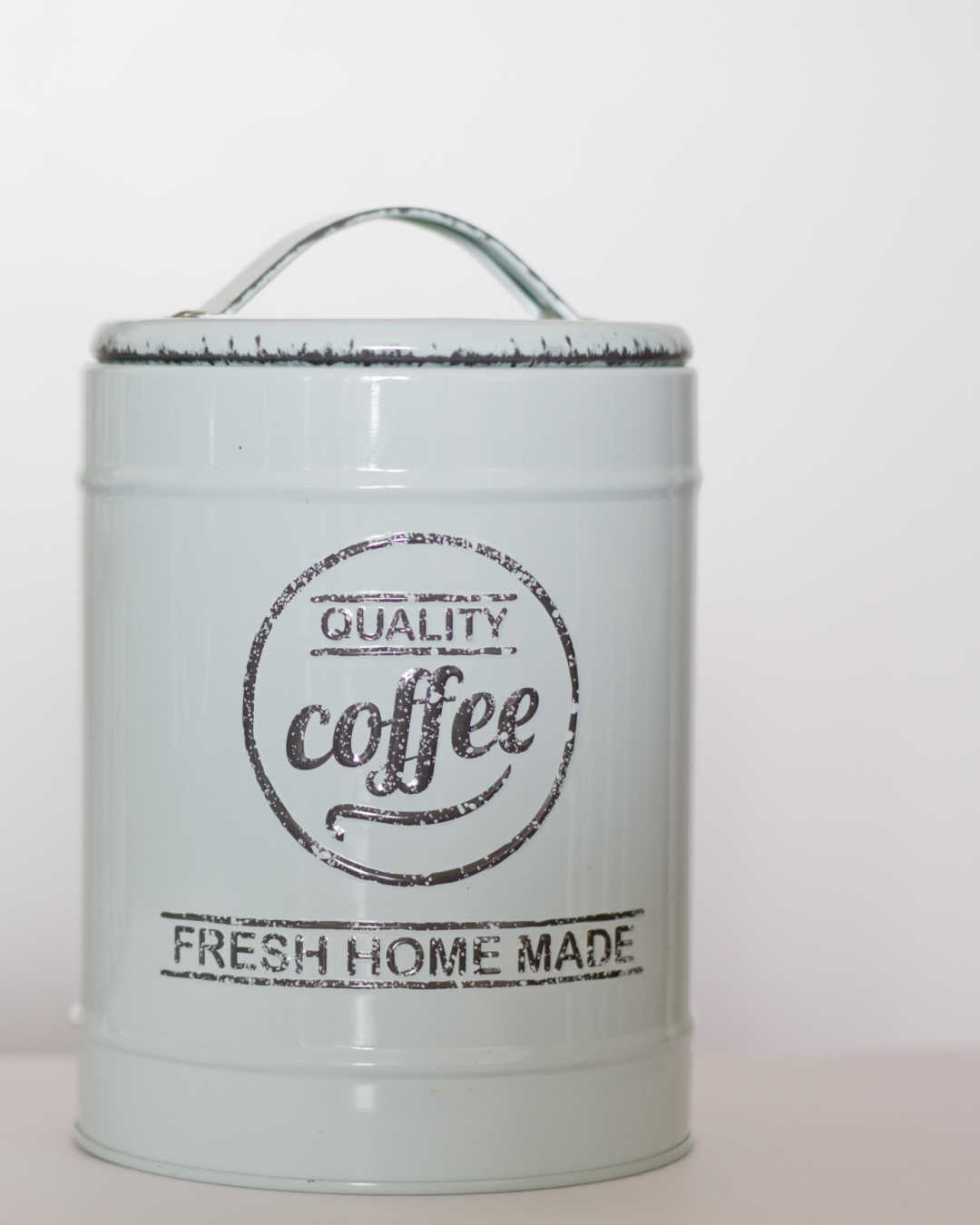
Quick Answer: The best way to store coffee beans for black coffee is in an airtight container, kept away from light, heat, and moisture, and used within a reasonable window after opening. Good storage slows staling but does not stop it, and you do not need special containers or gadgets to do it well.
Freezing coffee beans can help if you buy more than you can drink in time, but only when beans are portioned, sealed properly, and protected from repeated exposure to air and moisture.
Introduction
If your black coffee starts tasting dull or lifeless sooner than you expect, storage is often part of the problem.
Coffee beans begin changing the moment they are exposed to air. Aroma fades first, sweetness softens next, and bitterness becomes more noticeable over time. Better storage slows this process. Poor storage speeds it up.
Because black coffee has nothing to hide behind, storage mistakes show up sooner and more clearly than they do in coffee with milk or sugar. That often leads people to chase containers, canisters, and gadgets in the hope of preserving freshness.
This guide focuses on what actually matters. It explains how coffee goes stale after opening, which storage habits make a real difference, and how to keep beans tasting better for longer using simple, repeatable routines rather than specialized equipment.
What Actually Makes Coffee Go Stale
Coffee does not go stale because it is old. Coffee beans go stale because they are exposed to oxygen.
The main drivers of coffee staling are:
- Oxygen, which degrades aroma compounds
- Time, which allows those reactions to continue
- Surface area, which increases exposure
Once coffee has been roasted and the bag is opened, oxygen begins interacting with the compounds that give coffee its aroma and flavor. Storage changes how quickly that happens. It does not change the direction.
The sensory effects of this process are explained in more detail in our stale curve article. Here, the important point is simple: storage affects the rate of staling, not whether it happens at all.
Why Storage Matters More for Black Coffee
Milk and sugar can cover flaws.
They add sweetness, fat, and texture that can mask aroma loss and flavor dullness. Black coffee does not have that buffer.
When aroma fades and sweetness softens, black coffee feels hollow or flat almost immediately. That makes storage choices more noticeable and more important for people who drink coffee black.
This is why black coffee drinkers often become concerned about freshness sooner than others, even when using the same beans.
The Four Enemies of Coffee Storage
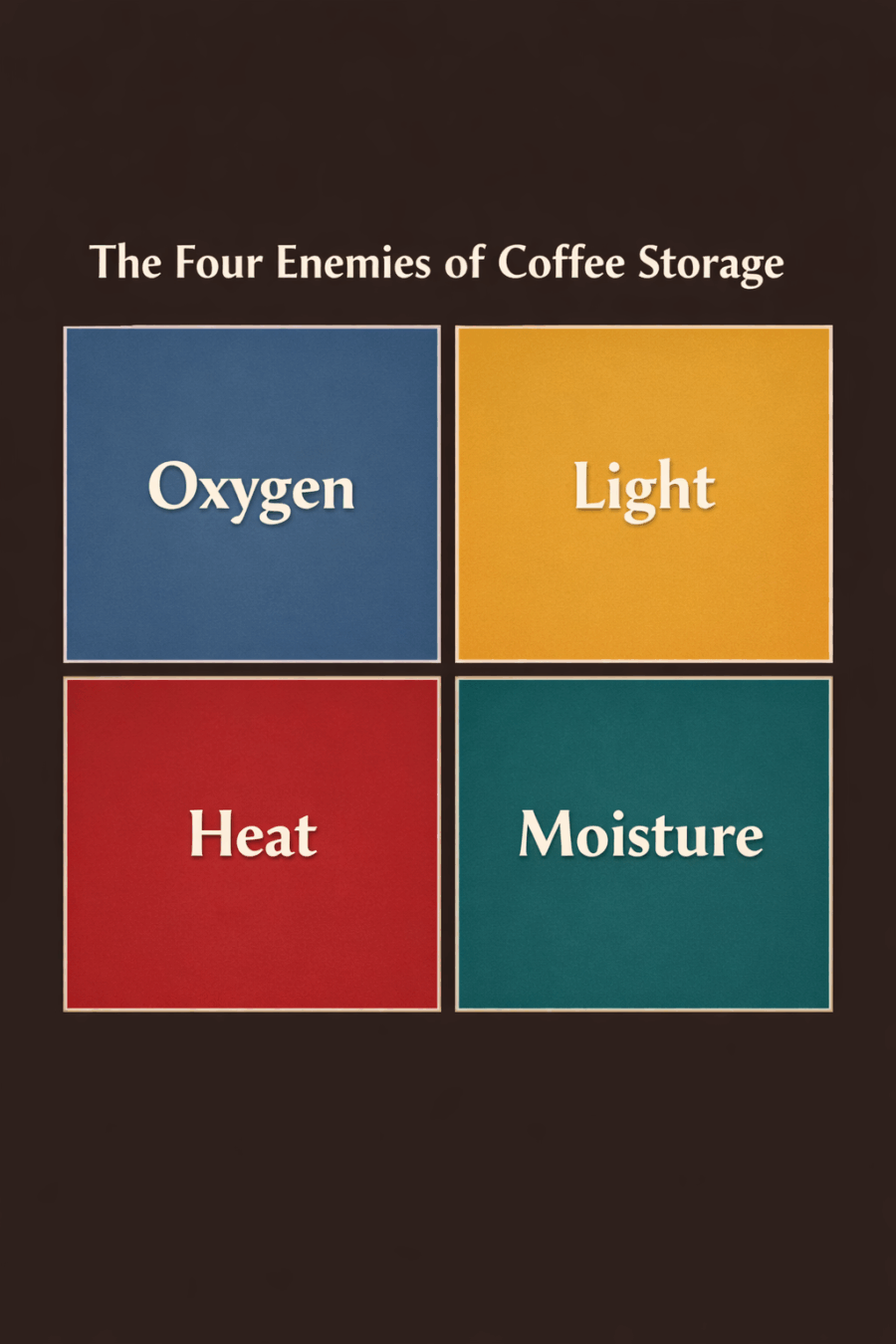
Almost every coffee storage mistake comes down to one or more of these factors.
Oxygen
The primary driver of coffee staling. Once oxygen reaches the beans, aroma loss accelerates.
Light
Light can speed chemical reactions and contribute to flavor degradation over time.
Heat
Heat increases reaction rates and shortens the useful flavor window.
Moisture
Moisture accelerates staling and can introduce off flavors. Odors are often absorbed along with moisture, especially in cold storage.
Good coffee storage reduces exposure to all four.
The Best Way To Store Coffee Beans After Opening
For most people, the best way to store coffee beans after opening is simple:
- Keep beans airtight
- Store them in a cool, dark place
- Leave them whole until brewing
- Store only as much coffee as you will use in a short window
You do not need vacuum systems or specialty containers. You need consistency.
An airtight container or well-sealed bag in a cabinet away from heat and light will outperform expensive storage gear that’s used inconsistently.
How Long Do Coffee Beans Stay Fresh After Opening
Coffee beans do not have a single expiration date. They do have a best window after opening.
For most whole bean coffee, that window is measured in weeks after opening, not months. Pre-ground coffee moves through that window much faster.
Better storage stretches this window. Poor storage compresses it. The pattern stays the same.
If your coffee tastes best in the first several days after opening and then slowly loses character, that’s normal. Understanding this helps you make better buying and storage decisions rather than chasing fixes that can’t work.
Store Bulk and Daily Use Separately (A Simple Workflow)
If you buy more coffee than you will use in about a week, separating storage helps.
- Keep the bulk of the coffee sealed tightly
- Keep a small amount accessible for daily use
This reduces repeated oxygen exposure to the entire supply and makes everyday storage more forgiving without adding complexity.
Is The Original Bag Enough After Opening
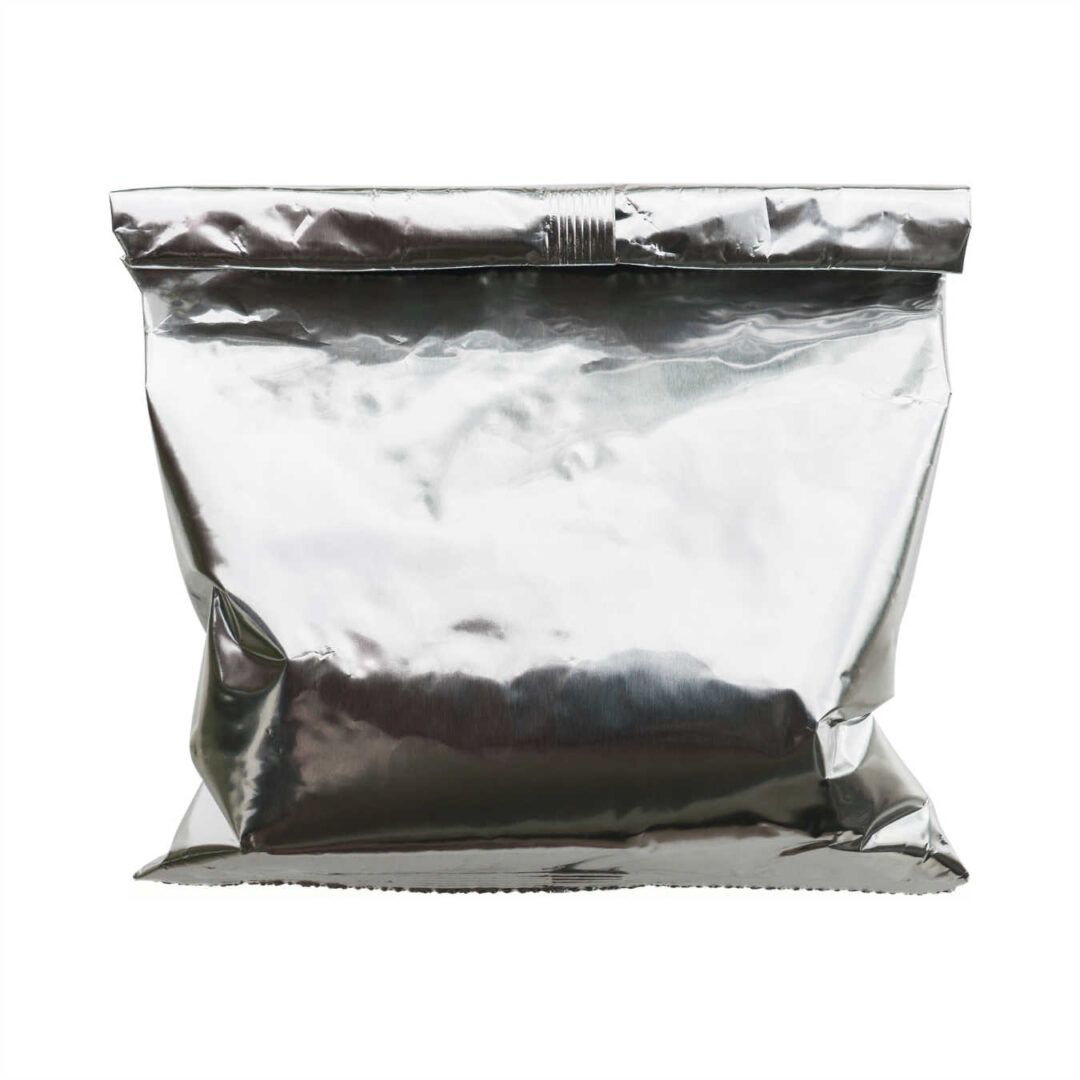
Sometimes, yes.
When the Original Valve Bag Works Fine
If the coffee bag:
- is thick
- has a functioning one way valve
- is rolled down tightly between uses
it can be adequate for short term coffee storage.
When It Fails (And What To Do Without Buying Anything)
Thin bags, loosely folded tops, or frequent opening allow air to enter quickly.
Simple fixes work:
- roll the bag tightly from the bottom
- clip it closed
- place it inside a second zip bag
Simple No-Gadget Options That Work
You can also store coffee beans in:
- a mason jar
- a reused food jar with a tight lid
- a freezer bag with air squeezed out
The goal is not perfection. The goal is reducing oxygen exposure.
Should You Store Coffee Beans In The Fridge
In most cases, storing coffee beans in the fridge is not recommended.
Refrigerators introduce:
- moisture
- odors
- temperature cycling
These risks usually outweigh any benefit from lower temperature. A stable, cool pantry or cabinet is better for everyday coffee storage.
If you choose to refrigerate coffee anyway, it must be airtight and undisturbed. Frequent opening and closing does more harm than good.
Should You Freeze Coffee Beans
Freezing coffee beans can help in specific situations.
When Freezing Coffee Beans Helps
Freezing is useful if:
- you buy coffee in bulk
- you receive subscriptions faster than you drink them
- you want to preserve a special coffee beyond your normal window
How To Freeze Coffee Beans Correctly Without Gadgets
To freeze coffee beans successfully:
- portion beans into small amounts you will use in a few days
- seal them well in freezer bags
- squeeze out as much air as possible
- keep them away from strong freezer odors
The Condensation Mistake (And How To Avoid It)
Do not repeatedly take the same container of coffee beans in and out of the freezer.
Remove one portion and leave the rest frozen. Let frozen beans come to room temperature before opening the bag.
Some people grind coffee directly from frozen. If your grinder handles it well, this can reduce moisture risk.
Should You Rest Coffee Before Freezing
If coffee is extremely fresh, allowing a short rest before freezing can help. If your goal is simple preservation, don’t overthink this step.
Whole Bean vs Pre Ground Coffee Storage Differences
Whole bean coffee stays fresh longer because it has less exposed surface area.
Pre-ground coffee stales much faster once opened. This is not a quality judgment: It’s physics.
If you use pre-ground coffee, smaller purchases and tighter storage matter more.
How Much Coffee To Buy If You Drink It Black
One of the easiest ways to improve black coffee quality is buying less coffee at a time.
If you consistently reach a point where coffee tastes flat before you finish the bag, storage is not the problem. Purchase size is.
Smaller, more frequent coffee purchases often lead to better daily coffee and less frustration.
Common Coffee Storage Myths That Do Not Help
Many coffee storage myths persist because they sound technical.
- Vacuum canisters do not stop staling, they slow it
- Roast date alone does not guarantee freshness after opening
- Refrigeration is not automatically better
Do Not Store Coffee Beans In The Grinder Hopper (Unless You Will Use Them Fast)
Leaving coffee beans in the grinder hopper exposes them to air, light, and heat.
If you will use them within a day or two, this may not matter. For longer storage, keep beans sealed and use only what you need.
A Simple No-Gadget Coffee Bean Storage Setup That Works
For most people, this is enough:
- one airtight container or well sealed bag
- one cool, dark cabinet
- one habit of buying only what you will use soon
Consistency matters more than equipment.
When Better Storage Will Not Fix Flat Coffee
Coffee storage slows the decline but it won’t reverse it.
Once the aroma is gone, it cannot be stored back in. This doesn’t mean the coffee is bad or unusable. It simply means it has moved past its best window.
Understanding the stale curve explains why this happens and why storage can only do so much.
This is not a failure of storage or effort. It’s simply how fresh foods behave.
Final Thought
Good coffee storage helps coffee taste better for longer, but it does not make coffee permanent.
Once you understand what storage can and cannot do, you stop chasing containers and start making calmer decisions about buying, using, and enjoying coffee.
If you want to go deeper, understanding how water and storage interact with the stale curve will make these changes feel even more predictable.