
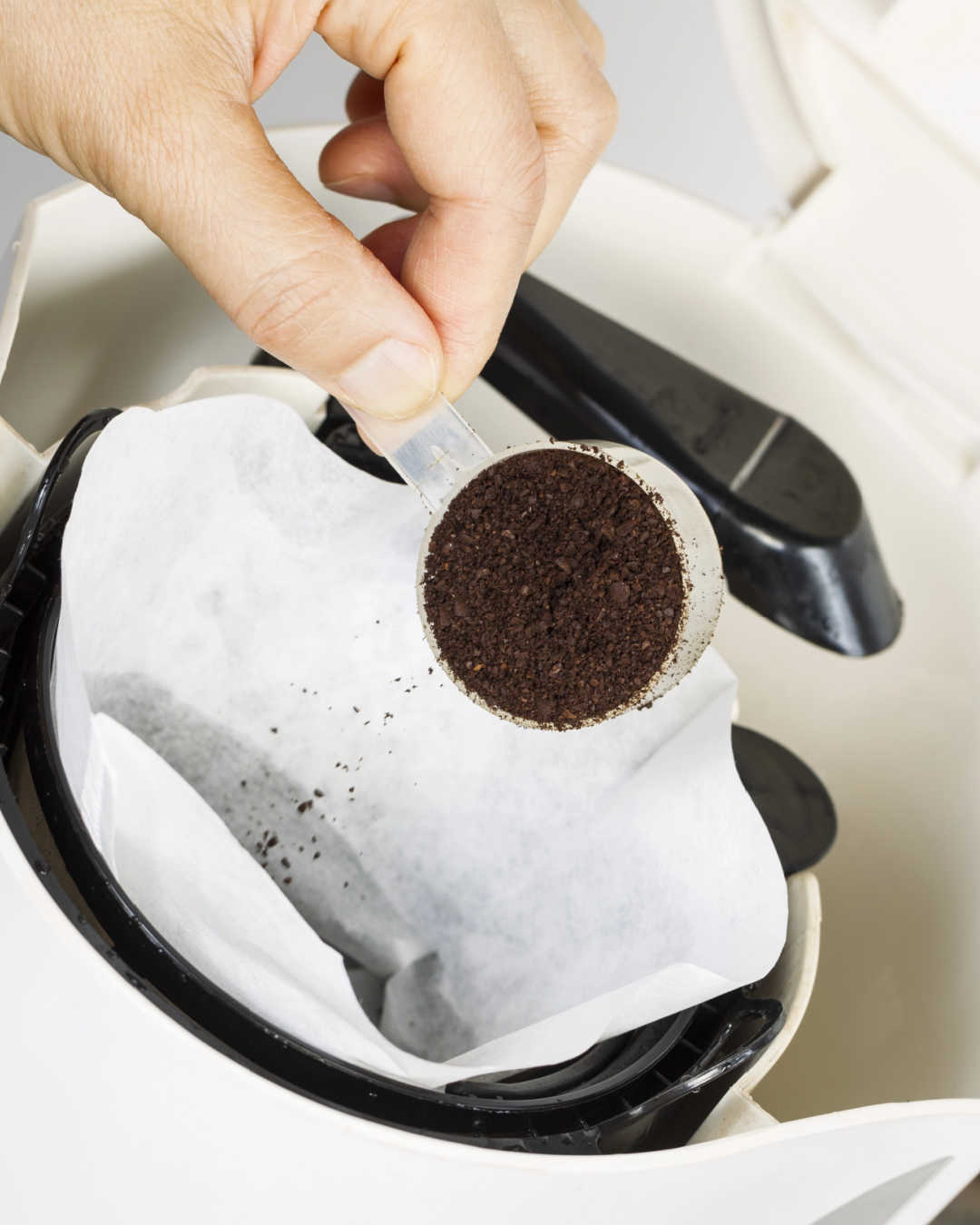
If black coffee tastes very different after you change filters, you are not imagining it. Paper filters usually make black coffee taste cleaner and feel lighter because they hold back more oils and fine particles. Metal filters allow more of those materials into the cup, which can create more body, texture, and sediment. A filter can change how quickly water moves through the coffee bed.
Neither is automatically better. Choose paper for clarity and an easier cleanup, or metal for a fuller mouthfeel and a reusable filter.
Paper vs Metal Coffee Filters at a Glance
| If you care most about… | Paper filter | Metal filter |
|---|---|---|
| Flavor separation | Usually clearer and easier to distinguish | Usually more blended and rounded |
| Body | Lighter to medium | Medium to fuller |
| Oils in the cup | Fewer | More |
| Fine sediment | Very little | Some, depending on the mesh |
| Cleanup | Lift out and discard or compost the grounds | Empty, rinse, and periodically deep-clean |
| Ongoing supplies | Requires replacement filters | Reusable |
| Best fit | Drinkers who prefer a clean, crisp cup | Drinkers who prefer texture and weight |
These are tendencies, not guarantees. The coffee, brewer, grind, water, recipe, paper thickness, and metal mesh all influence the result.
How a Coffee Filter Changes Taste
Brewed coffee contains dissolved flavor compounds, aromatic compounds, oils, and tiny pieces of coffee called fines. Both paper and metal filters allow the dissolved portion of the brew to pass. They differ more noticeably in how much oil and particulate matter they retain.
A paper filter forms a dense barrier that catches most visible sediment and a larger share of coffee oils. The result often looks more transparent and feels cleaner on the tongue.
A metal filter is a mesh with openings large enough for more oils and very small particles to pass. The result may look slightly cloudy, feel heavier, and leave a thin layer of sediment at the bottom of the cup.
That physical difference helps explain the familiar clarity-versus-body tradeoff. It does not mean paper removes flavor or metal makes coffee stronger. Strength mainly describes the concentration of dissolved coffee in the water. A metal-filtered cup can feel more intense because it has more texture, even when its dissolved strength is similar.
What Paper-Filtered Black Coffee Tastes Like
Paper-filtered black coffee is often described as clean, clear, crisp, or light. Those words refer as much to structure as to flavor.
With fewer oils and fines coating your mouth, individual flavors may seem easier to distinguish from one another. This is one reason paper filters are common in pour-over brewing.
Paper is a good starting point if:
- You are learning to drink coffee black and want a cup with little sediment.
- You enjoy lighter or more clearly defined flavors.
- A heavy or oily mouthfeel makes coffee seem harsh.
- You value fast, predictable cleanup.
The tradeoff is that a paper-filtered cup may feel thinner than the same coffee brewed through metal. If your black coffee already tastes weak or watery, changing to metal might add texture, but it will not correct an under-dosed or poorly extracted brew. Check your coffee-to-water ratio and other brewing variables before asking the filter to solve a different problem.
Do You Need to Rinse a Paper Filter?
Rinsing can remove loose paper dust, warm the brewer, and help the filter sit in place. Whether it changes taste enough to matter depends on the paper, the water, and your sensitivity.
Treat rinsing as a simple comparison, not a commandment. Smell the dry filter, then run hot water through it and smell the rinse water after it cools. If you notice a papery aroma or taste, rinse before brewing. If you do not, the difference may not be meaningful in your routine.
Do not assume that filter color alone predicts taste. If you want to compare two papers, use the same coffee and recipe, then judge the brewed cups rather than the appearance of the filters.
What Metal-Filtered Black Coffee Tastes Like
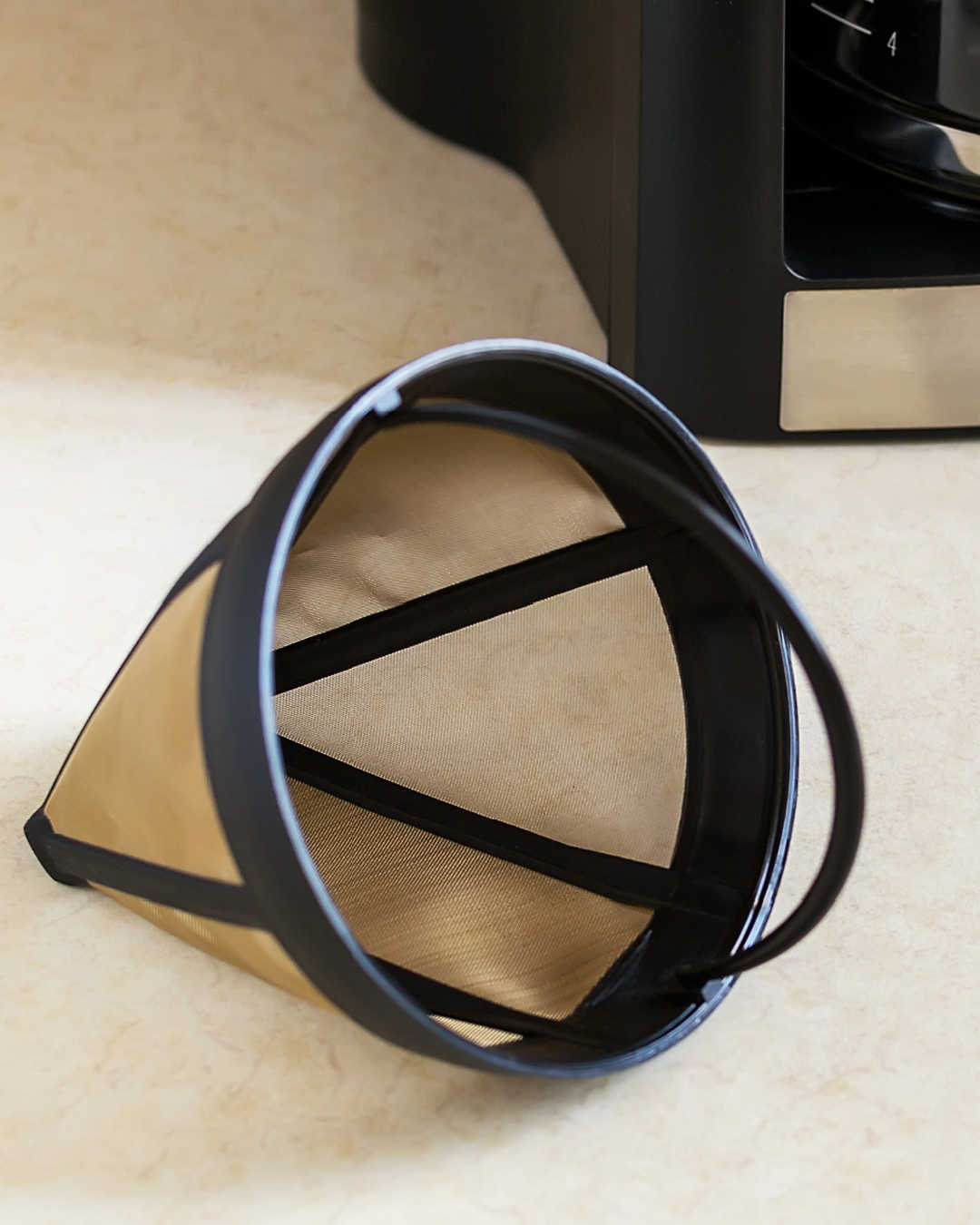
Metal-filtered black coffee is often described as fuller, rounder, richer, or heavier. More oils and fines reach the mug, increasing texture and reducing the visual clarity of the brew.
The added texture can feel satisfying if you enjoy a heavier cup. It can also make the coffee seem muddier if you prefer clearer flavor separation. A small amount of sediment is normal with many metal filters, although the amount varies with mesh size and grind quality.
Metal is a good fit if:
- You enjoy body and texture in black coffee.
- You do not mind slight cloudiness or sediment.
- You want a reusable filter.
- You are willing to rinse it after each brew and clean trapped oils periodically.
A metallic taste is not an expected result from a clean metal filter, but the filter should not be ruled out without comparison. If you notice an unfamiliar taste, brew the same coffee through paper and clean the metal filter according to the manufacturer’s instructions. Residue and old coffee oils trapped in the mesh can also produce unpleasant aromas or a dull-tasting cup.
Paper Does Not Always Mean Bright, and Metal Does Not Always Mean Rich
Filter comparisons are easy to overstate. Many real-world tests change more than the filter. A paper V60, a French press, and a metal AeroPress do not share the same geometry, flow, agitation, or contact time.
Research comparing several brewing methods has found differences in volatile compounds and sensory results between paper-filtered and metal-filtered preparations. A study of one reusable metal-filter system found somewhat more oil and turbidity than paper filtration. Those findings support broad tendencies, but they do not prove that filter material alone creates a particular flavor.
Your result can move in either direction because:
- A thicker or slower paper can lengthen brew time.
- A metal mesh can drain faster and require a finer grind.
- Fines can clog either filter and slow the brew.
- Different brewers distribute water and heat differently.
- Roast level and bean character can make changes in body or clarity more noticeable.
This is why the fairest home comparison uses the same brewer with compatible paper and metal filters.
Is Paper-Filtered Coffee Healthier?
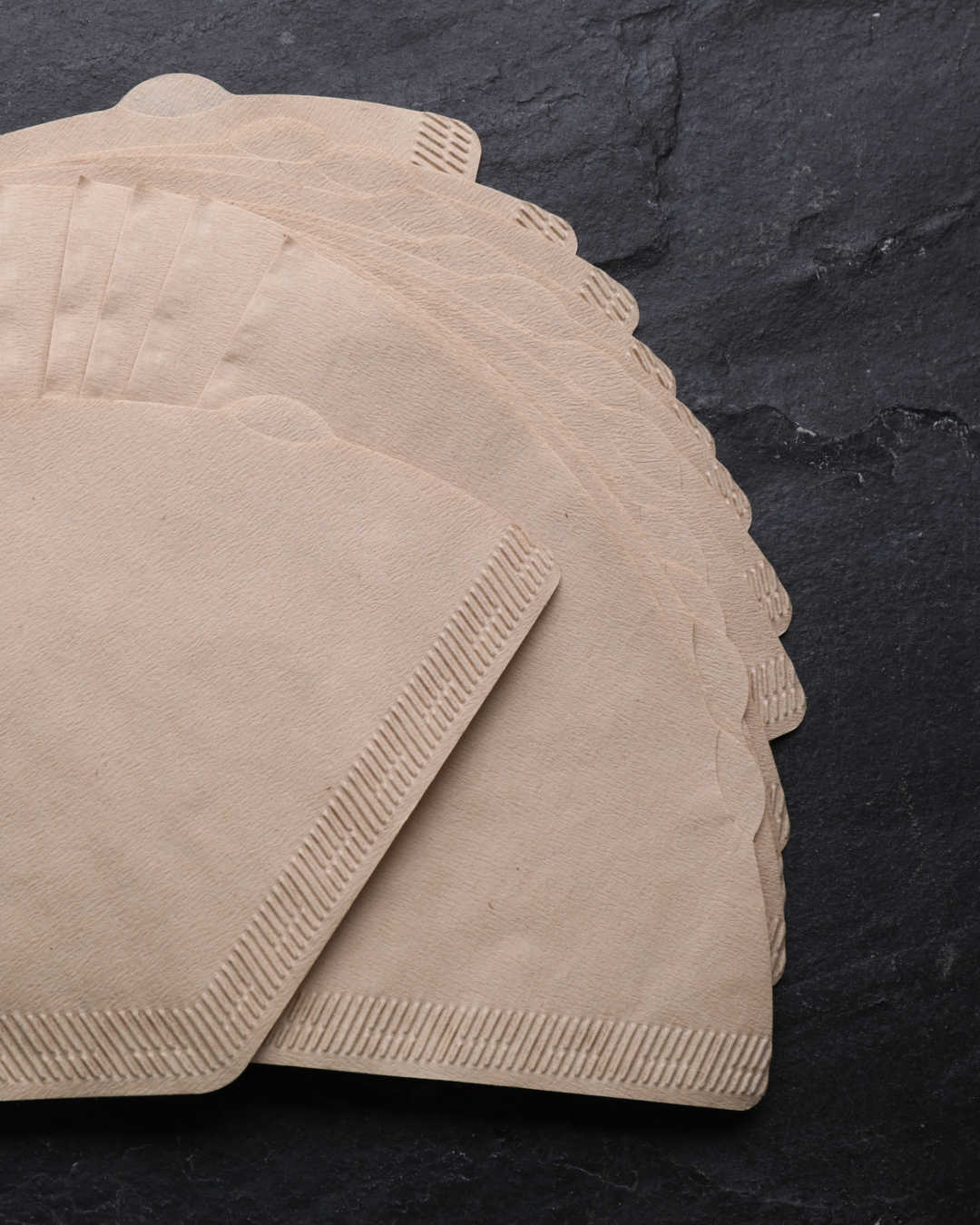
“Healthier” is too broad, but paper filtration may matter for people concerned about LDL cholesterol. Coffee contains oily compounds called cafestol and kahweol that can raise LDL levels. Paper filters retain much of these compounds, which is why paper-filtered coffee is generally lower in them than boiled, French press, and other unfiltered coffee.
Metal filters usually allow more coffee oil through, but that does not tell us exactly how much cafestol or kahweol reaches the cup. Mesh, brewer design, recipe, and serving size can all affect the result, and research does not support treating every metal filter as equivalent to unfiltered coffee.
If cholesterol management is an important part of your filter decision, paper is the more conservative default. Individual health decisions should still follow guidance from your healthcare professional.
How to Compare Paper and Metal Without Guessing
You do not need a formal tasting lab. You need two reasonably comparable cups and a few useful observations.
- Use the same coffee, water, dose, and water amount.
- Use one brewer that accepts both filter types.
- Keep water temperature, grind, agitation, and contact time as close as you can.
- Taste each cup while hot, warm, and closer to room temperature.
- Compare clarity, body, bitterness, sediment, and how easily you can name individual flavors.
Do not try to decide which cup tastes more expensive or more expert. Ask simpler questions:
- Which cup invites another sip?
- Do I prefer distinct flavors or a more blended impression?
- Does the extra body feel satisfying or heavy?
- Does sediment bother me?
- Which cleanup am I willing to repeat?
If one filter drains much faster than the other, do not immediately declare it the loser. Adjust the grind on a later brew to restore a reasonable contact time. Change one variable at a time so you can tell what helped.
Which Filter Should a Black Coffee Beginner Choose?
For most beginners, paper is the easier baseline. It produces little sediment, cleanup is simple, and the cleaner structure can make it easier to learn what your beans and brewing adjustments are doing. It also fits the simple paper-filtered starting routine recommended in TBCL’s beginner guide.
That is a starting point, not a rule. If paper-filtered coffee consistently feels too light and you already use a sensible ratio, a metal filter is a low-complexity way to explore more body. If metal-filtered coffee feels muddy or leaves more sediment than you enjoy, paper is the straightforward correction.
Choose based on the cup you want to drink, not the filter you think a serious coffee person is supposed to use.
The Simple Decision
Choose a paper filter when you want:
- A cleaner cup with little sediment
- More flavor separation
- A lighter mouthfeel
- The simplest daily cleanup
Choose a metal filter when you want:
- More oils and texture
- A fuller mouthfeel
- A reusable filter
- A cup closer in character to less-filtered brewing
If you are still unsure, run the controlled comparison once. The best filter is the one that makes your normal black coffee more enjoyable without making your routine harder than it needs to be.
Sources
- Santanatoglia et al., “Discrimination of Filter Coffee Extraction Methods of a Medium Roasted Specialty Coffee Based on Volatile Profiles and Sensorial Traits,” Foods (2023).
- Shimomura, Ichinosawa, and Kinuta, “Effects of Newly Developed Coffee Filter on Contents of Components and Flavor of Coffee,” Journal of Advanced Science (2021).
- Urgert and Katan, “The Cholesterol-Raising Factor from Coffee Beans,” Journal of the Royal Society of Medicine (1996).
- Tverdal et al., “Coffee Consumption and Mortality from Cardiovascular Diseases and Total Mortality: Does the Brewing Method Matter?,” European Journal of Preventive Cardiology (2020).