
I recently tried Copper Cow’s Classic Black ground coffee and enjoyed it black. Its flavor seemed different from the coffees I usually drink, more flavorful, with a distinct caramelized-but-not-burnt dark chocolate note that was also quite smooth-tasting at the same time. I looked up the beans and I was surprised to find that it was robusta. For years, I had understood robusta to mean coffee that was excessively strong and bitter.
One enjoyable cup cannot settle a whole category’s reputation. But it did give me a reason to look more closely at what that reputation means.
Robusta’s reputation has a basis, but it’s too broad to judge every cup. Robusta often tastes more bitter, less bright, and fuller-bodied than arabica. Bean quality, handling, and roasting can also shape the result. A well-made robusta may be pleasant to drink black while still tasting recognizably different from the arabica coffees many people know.
What Does Robusta Taste Like?
Robusta is the common name for coffee from the Coffea canephora species. Arabica comes from a different species. Neither name tells you everything about the coffee in your cup, but the distinction helps explain why switching beans can change the experience even when you prepare them the same way.
World Coffee Research describes robusta coffee as often more bitter, lower in acidity, and fuller-bodied than arabica. In a cup, that can mean less of the bright or fruity quality you associate with some arabicas and more weight or earthy, roasted character. These are tendencies, not promises about every bag.
“Strong” can confuse the issue. It might mean a forceful flavor, a concentrated brew, or more caffeine. Robusta beans generally contain more caffeine than arabica beans, but the amount in a finished cup also depends on how much coffee you use and how you brew it. A bold taste alone cannot tell you its caffeine content.
Why Did Robusta Get a Bad Reputation?
Part of the reputation comes from the flavor itself. If you favor a lighter, brighter cup and dislike prominent bitterness, robusta may be a poor match for your preferences even when it is carefully produced. Calling that cup “bad” turns a useful taste distinction into a universal verdict.
Quality adds another layer. The coffee begins as fruit, and choices during picking, sorting, drying, processing, storage, and roasting can change what ends up in the cup. A study comparing robusta and conilon samples found that bean defects and post-harvest methods affected sensory quality. That does not establish how much of robusta’s historical reputation came from any one practice, but it shows why the species alone cannot explain every unpleasant cup. Source: Velásquez and colleagues
Robusta has also often been encountered as an ingredient in products chosen for cost, body, or caffeine rather than as a coffee whose individual flavor was the selling point. That commercial history may have reinforced the impression that robusta is always rough. It does not mean every older robusta was poorly processed or that every modern robusta is excellent.
Can Good Robusta Still Taste Like Robusta?
[Editor’s note: Geni.us links may be affiliate.]
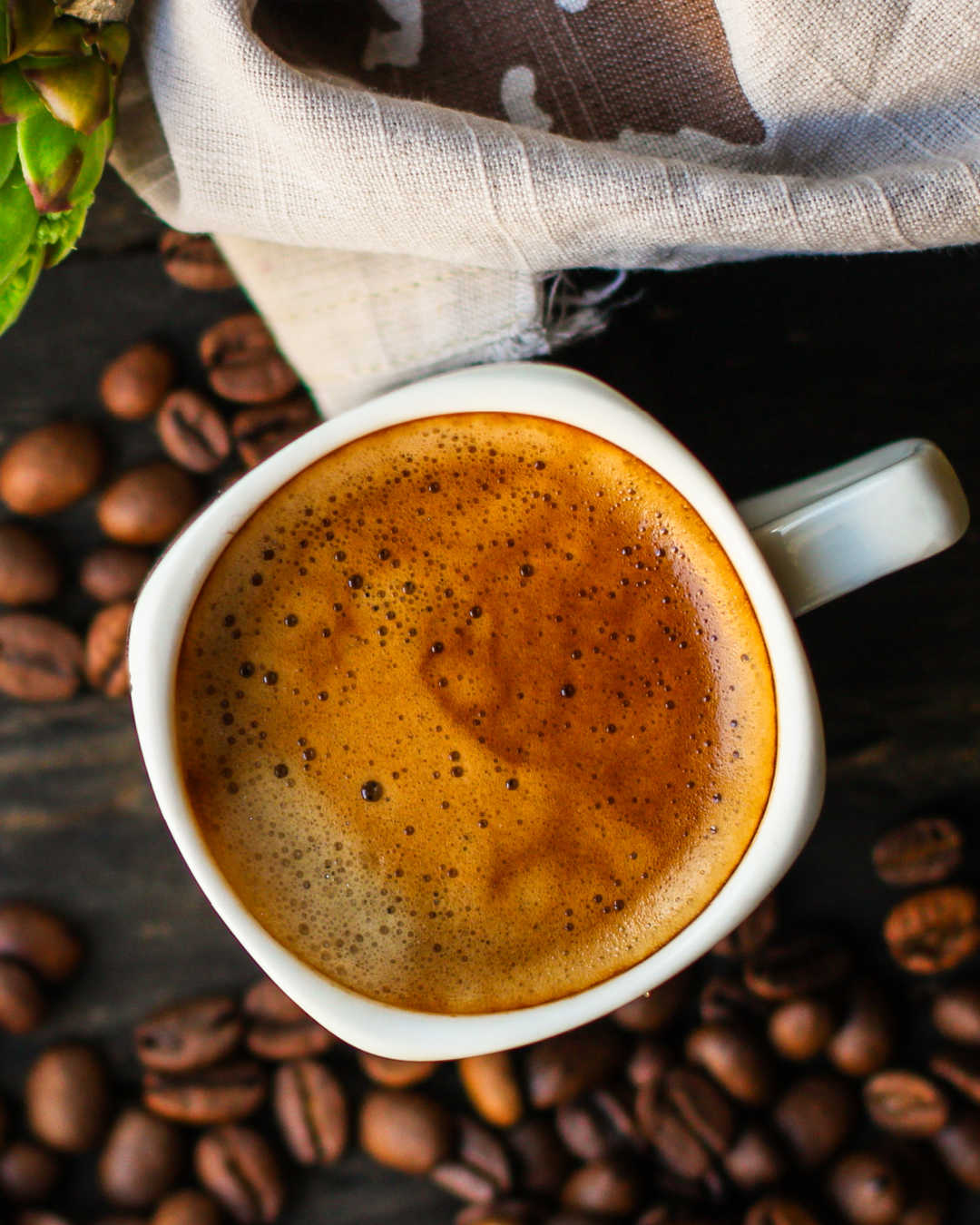
Sure. Better selection and handling can reduce defects and let a coffee’s more pleasant qualities come through. World Coffee Research notes that properly handled robusta can reach specialty markets while retaining the flavor differences that set it apart from arabica. A cleaner cup is not necessarily a mild cup. Source: World Coffee Research
That distinction fits my experience with Copper Cow Classic Black ground coffee. I liked it black, and its flavor stood apart from the coffee I normally drink. Copper Cow identifies this specific ground coffee as Vietnamese robusta. I did not compare it side by side with other robustas or conduct a controlled tasting, so I would not use that one bag to rank the brand or describe the species as a whole.
It does show why the simple warning I had absorbed was incomplete: I could notice a difference and still enjoy the cup.
Is Robusta Worth Trying If You Drink Coffee Black?
It depends on what you want from the cup. If you enjoy body and a bold roasted character, a clearly identified robusta or robusta blend could be worth trying. If prominent bitterness is the part of black coffee you struggle with most, you may prefer a different coffee. You do not need to learn to like robusta to appreciate black coffee.
If you are curious, compare one robusta with a coffee you already enjoy. Drink both black, prepare them at roughly similar strengths, and notice three things: how bitter each seems, how much weight it has in your mouth, and whether you want another sip. You do not need specialized tasting words or a verdict on which species is objectively better.
If both cups taste harsh, the bean species may not be the whole problem. TBCL’s three checks for coffee that tastes bad can help separate concentration, temperature, and water from the coffee itself. If what you want is a gentler-feeling cup, the guide to what makes black coffee taste smooth explains that broader question.
One cup is enough to decide whether you enjoyed that cup. It is a useful starting point, not a final judgment on every robusta.