
Quick Answer: Health-motivated coffee habits often feel heavier because they rely on external goals rather than internal feedback. Preference-based habits feel easier because curiosity and enjoyment reinforce the behavior on their own. The difference is not the coffee. It is how motivation shapes effort, discomfort, and attention over time.
This tends to show up after the initial adjustment period, once drinking coffee black is no longer new but still feels effortful.

When The Habit Works But Still Feels Hard
There is a specific kind of frustration that shows up when a habit is technically working but still feels uncomfortable.
You are doing what you planned: you are drinking coffee black. You may even see the health benefits you expected. And yet the habit still feels fragile, almost forced, easier to skip than you thought it would be.
This often leads people to the wrong conclusion. They assume something about the coffee needs fixing: different beans, better brewing, more discipline.
Often, the problem is not the coffee at all.
What feels different is the reason you started. Health-motivated habits and preference-based habits create very different internal experiences, even when the behavior looks identical from the outside.
Two Very Different Reasons People End Up Drinking Coffee Black
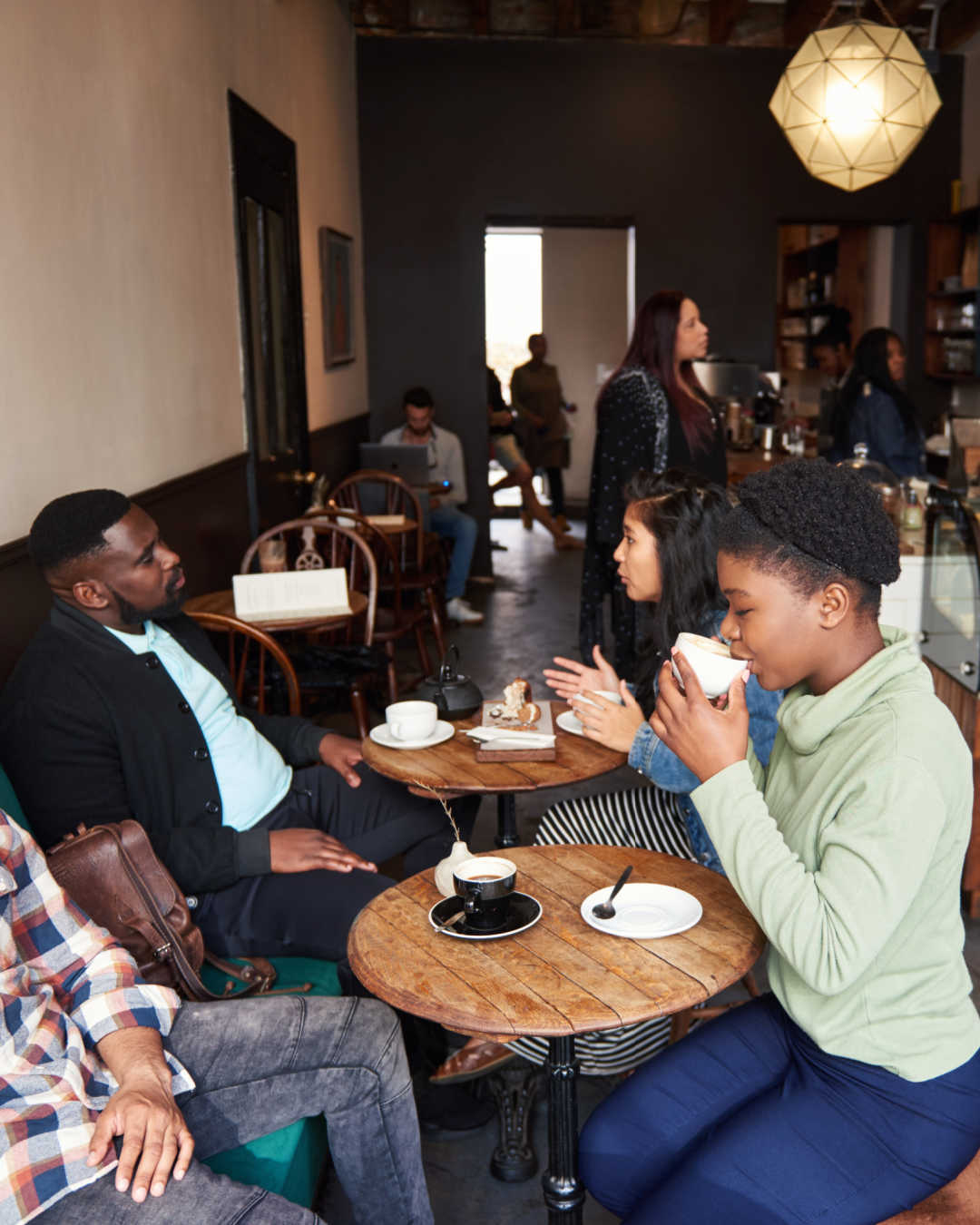
People usually arrive at black coffee in one of two ways. Neither is wrong. But they feel very different once the novelty wears off.
Starting for Health Or External Outcomes
Some people start drinking coffee black because they feel they should.
Maybe it fits a fasting window. Maybe it removes calories. Maybe it aligns with a health plan or a rule they are trying to follow. The motivation lives outside the cup.
In this frame, each cup carries a subtle pressure. Drinking black coffee becomes a small daily test. You pass if you comply. You fail if you add something back in or abandon the habit altogether.
Discomfort feels like a warning. It feels like evidence that the habit is costing something. Even when the behavior is simple, the mental load is not.
Over time, that pressure creates fatigue. Not because black coffee is difficult, but because compliance rarely feels complete.
Starting From Curiosity, Taste, or Preference
Others start from a different place.
They are curious about how coffee tastes on its own. They want to notice flavors. They are exploring rather than complying. The motivation is internal. The feedback comes from the experience itself.
In this frame, discomfort is interpreted differently. A sharp cup is information, not a verdict. A disappointing mug is something to notice, not something to endure.
Effort feels lighter because choice stays present. The habit is not something to pass or fail. It is something to pay attention to.
The behavior may look identical, but the internal experience is definitely not.
Why The Same Cup Feels Different Depending On Motivation
The coffee does not change. The interpretation does.
When motivation is health-based, discomfort is often framed as a problem to solve or tolerate. The mind asks, “Is this worth it?” or treats coffee more like medicine.
When motivation is preference-based, discomfort becomes part of the feedback loop. The question shifts to, “What am I noticing?”
This difference matters more than most people realize. The brain responds differently to effort that feels imposed versus effort that feels chosen. One creates resistance. The other creates learning.
That is why two people can drink the same coffee and have completely different experiences of effort.
Endurance And Choice Feel Nothing Alike

On the surface, endurance and choice can look the same. The behavior is the same. The coffee is the same. The routine does not change.
But internally, they are very different experiences.
Whether a habit feels heavy or light often depends less on what you are doing and more on whether you feel you are enduring it or choosing it.
Enduring A Habit
Endurance is quiet but draining.
When a habit is driven by rules, progress is often measured by time. Days completed. Streaks maintained. Slips avoided. Attention stays fixed on compliance.
This creates an undercurrent of tension. The habit never quite becomes neutral. It always carries the possibility of failure.
Even small discomforts feel heavier in this frame because they are interpreted as obstacles rather than information.
Choosing A Habit
Choice changes everything.
When attention shifts from enduring to choosing, the habit becomes lighter. The goal is no longer to get through it; it’s to notice what is happening.
This doesn’t remove discomfort. It changes how discomfort is experienced. What once felt like resistance becomes data.
Choice allows habits to stabilize without force. The behavior does not need constant reinforcement because curiosity does the work quietly.
Why Health Rules Feel Heavy Over Time
Health rules ask for constant monitoring.
Am I doing this right? Am I still compliant? Should I be stricter? Should I stop?
Each question adds cognitive load. Even simple habits become mentally expensive when they are framed as obligations.
Rules also invite rebellion. Sometimes that rebellion is loud. Sometimes it’s subtle. Skipping a day. Adding something back. Questioning the value of the habit entirely.
This is not a failure of discipline. It is a predictable response to prolonged compliance.
Preference Is Not Indulgence. It’s Feedback.
Preference is often misunderstood.
It’s not about indulgence or weakness: it’s about feedback. Preference tells you what your senses respond to without coercion.
When habits are guided by preference, they self-adjust. What does not feel good fades. What does feel good repeats.
This is why preference-based habits tend to last. They do not rely on motivation. They rely on attention.
When Health Motivation Helps And When It Doesn’t
Health motivation is not useless. For many people, it is what makes the first attempt possible at all.
It often provides the initial push. It helps people try something new. It creates structure early on.
The problem is expecting it to do more than it can. Health motivation struggles as a long-term fuel. It’s better at starting habits than sustaining them.
Over time, habits need to move from rules to ownership. From external goals to internal feedback.
What This Means For Drinking Coffee Black
This is not about better beans or better brewing.
If black coffee still feels heavy long after the initial adjustment, the issue is rarely technical. It’s interpretive.
How you frame the habit determines how it feels. Whether discomfort signals danger or information. Whether effort feels imposed or chosen.
Many people stall here without realizing why.
Moving From Compliance To Ownership

Ownership begins when “I should” turns into “I notice.”
When you stop asking whether you are doing it right and start paying attention to what is actually happening, the habit changes character.
Black coffee becomes something you choose, not something you tolerate. The effort softens, and the habit stabilizes.
Not because the coffee changed, but because the frame did.
The Habit Didn’t Fail. The Frame Did.
If drinking coffee black still feels harder than it should, that doesn’t mean the habit failed.
It usually means the frame needs adjusting.
Motivation can evolve. Habits can change shape. What begins as a health rule can become a preference over time.
Understanding why the habit feels the way it does is often the first step toward letting it settle.