

Ground coffee is usually the better choice when flavor, aroma, and brewing control matter most. Instant coffee is better when speed, simplicity, portability, and low cleanup matter more. For black coffee, neither wins in every situation. The better option is the one whose tradeoffs help you make a cup you will actually drink and enjoy.
That may sound less decisive than declaring one kind of coffee the winner but it’s the most useful answer.
Black coffee makes the differences between instant and brewed coffee easier to notice. There is no milk, cream, or sugar adding body or covering rough edges. At the same time, a coffee routine that is too slow or complicated may not be right for a busy morning. The choice is between two ways of balancing taste and effort.
Instant Coffee And Ground Coffee Are Not The Same Thing
Instant coffee is real coffee, but it has already been brewed once during manufacturing. Coffee beans are roasted, ground, and extracted with water. The resulting coffee is concentrated, and most of its water is removed. Manufacturers commonly use spray drying or freeze drying to turn the brewed coffee into soluble powder or granules. Add water, and those coffee solids dissolve back into a drink.
Ground coffee is different. It consists of roasted coffee beans broken into particles that don’t dissolve in your cup. Water must extract flavor from them, and the grounds normally must be filtered, settled, or otherwise separated from the finished drink.
This means that the search phrases “instant coffee vs. ground coffee” and “instant coffee vs. brewed coffee” are asking nearly the same practical question. The precise comparison is instant coffee versus coffee that you brew from grounds. The distinction matters because one product is designed to dissolve while the other gives you the raw material for brewing.
The Quick Comparison
| If You Care Most About | Instant Coffee | Coffee Brewed From Grounds |
|---|---|---|
| Taste and aroma potential | Usually more limited and highly product-dependent | Usually greater when the coffee is fresh and brewed well |
| Speed | Ready in moments | Requires a brewing step |
| Equipment | Cup, water, and spoon | Usually requires a brewer or filtration method |
| Cleanup | Minimal | Grounds and equipment must be cleaned up |
| Control | Fewer variables and more consistency | More variables and more control |
| Portability | Excellent | Less convenient away from a normal setup |
| Upfront cost | Very little equipment needed | Depends on the brewing method |
| Best fit | Busy mornings, travel, offices, and low-friction routines | Flavor-focused routines and people willing to brew consistently |
Ground coffee has a higher flavor ceiling, but that doesn’t automatically make it the better daily choice.
If you will not use the equipment, clean the brewer, or make time for the process, its theoretical advantages don’t help much. Convenience is part of coffee quality when convenience determines whether the cup happens at all.
Which Usually Tastes Better Black?
Coffee brewed from fresh grounds usually offers more aroma, flavor range, and control than instant coffee. That is its strongest advantage.
Instant coffee has been brewed, concentrated, dried, stored, and then reconstituted. Each product handles that process differently. Drying method, bean quality, roast, packaging, serving size, and age can all affect the finished product. Some instant coffees taste flat or aggressively roasted. Others are clean, balanced, and pleasant enough to drink black.
But ground coffee also varies widely. Fresh, well-brewed grounds may produce a cup with more aroma, sweetness, body, and definition. Old grounds, an unsuitable roast, poor water, or an inconsistent brewing method can still create a bitter, sour, weak, or dull cup.
In other words, good instant coffee can taste better than bad brewed coffee. But good brewed coffee generally gives you more flavor potential than good instant coffee.
For black coffee, “better” does not have to mean the most complex cup. It can mean:
- The aroma is pleasant.
- Bitterness feels balanced rather than punishing.
- Sourness does not make the cup feel sharp or unfinished.
- The strength suits the way you drink it.
- The coffee is easy enough to prepare consistently.
- You want another sip without needing to hide the flavor.
If those distinctions still feel vague, What Good Black Coffee Actually Tastes Like gives you a calmer way to judge the cup.
The important point is not that ground coffee always wins. It is that ground coffee gives you more room to pursue flavor, while instant coffee gives you fewer steps between wanting coffee and drinking it.
Convenience Is The Main Reason To Choose Instant Coffee
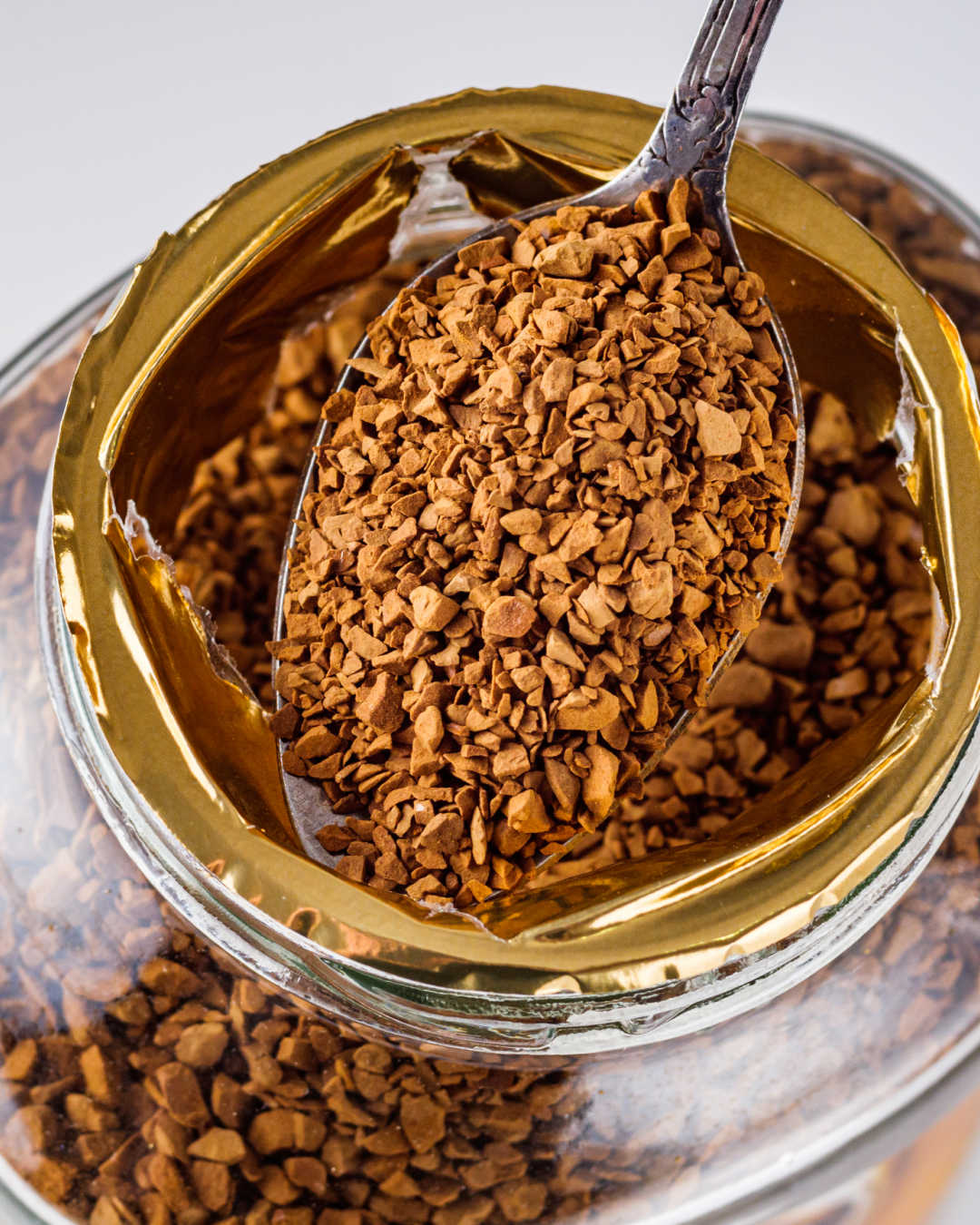
Instant coffee is hard to beat when the goal is a fast, repeatable cup. You need hot water, a cup, and a spoon. There is no filter to manage, no wet grounds to discard, and very little equipment to clean. It travels easily and works in offices, hotel rooms, temporary kitchens, and mornings when a longer routine is unlikely to happen.
That convenience is not a small advantage. Habit friction often matters more than people expect.
A reader trying to reduce cream or sugar may already be changing the taste and feel of a familiar drink. Adding a new grinder, brewer, scale, technique, and cleanup routine at the same time can make the transition unnecessarily complicated.
Instant coffee can remove some of those variables. Use the same product, amount, water, and cup, and the result is reasonably predictable. That consistency can make it easier to notice whether the real problem is bitterness, concentration, temperature, or simple unfamiliarity.
Instant coffee may therefore be the better beginner choice when a brewing routine would stop the habit before it gets started.
Ground Coffee Gives You More Flavor Potential And More Variables
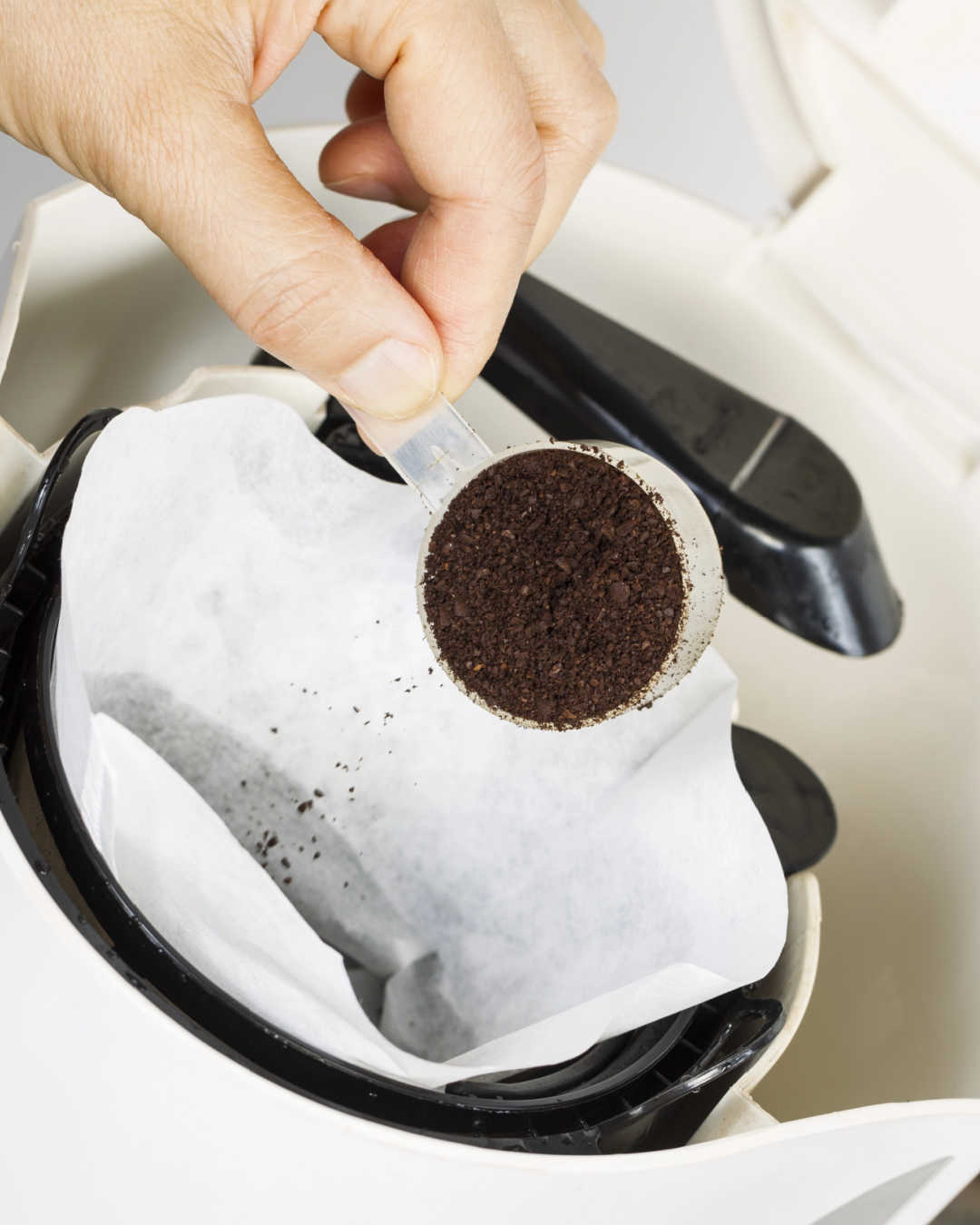
Brewing from grounds gives you choices that instant coffee has already made for you.
You can choose the coffee, roast, freshness, grind, dose, water amount, water temperature, and brewing method. You can make a cup lighter, fuller, brighter, smoother, or more concentrated. If something tastes wrong, you have more ways to adjust it.
That control is useful, but it comes with responsibility. More variables also create more ways to get an inconsistent cup.
Changing the grind, ratio, brewer, water, and coffee at the same time does not create control. It creates noise. Ground coffee works best when you find one uncomplicated method and repeat it often enough to understand the result.
For someone who enjoys a small morning ritual, that process may be part of the appeal. For someone who mainly wants a dependable cup before work, it may feel unnecessary.
Ground coffee is a good choice when:
- Aroma and flavor matter enough to justify a brewing step.
- You are willing to keep a simple method consistent.
- You want the ability to adjust strength and extraction.
- Cleaning up the grounds does not make the routine feel burdensome.
It should not be treated as proof that you take coffee more seriously. It is simply the format with more flavor potential and more user control.
Caffeine, Cost, And Waste Depend On The Actual Cup
These factors can help with the decision, but none produces a universal winner.
Caffeine
Instant coffee often contains less caffeine per typical serving than coffee brewed from grounds. That is a tendency, not a guarantee.
A published assessment that measured beverages consumed by 17 adults found an average of about 60 milligrams of caffeine for instant coffee and 80 milligrams for brewed coffee. More important, the instant coffees varied fourteen-fold. Product, dose, cup size, bean type, and preparation all matter.
The FDA likewise emphasizes that caffeine content varies substantially among coffee drinks and that individual sensitivity varies too. If caffeine is an important part of your choice, check the product information when it is available and pay attention to the amount you actually use.
Don’t assume that darker flavor means more caffeine. Don’t assume that every instant coffee is a low-caffeine coffee. And don’t choose between the formats on a single generic number.
Cost
Instant coffee has a low equipment cost. You do not need a brewer, grinder, filters, or other accessories to make a basic cup.
That doesn’t mean every instant coffee is cheaper per serving. Premium single-serve instant coffee can cost more than ordinary ground coffee. A brewer may also become inexpensive per cup when it is used for years.
The most useful cost comparison includes:
- The price of the coffee you would actually buy.
- The amount you use per cup.
- Any brewer, filter, or grinder costs.
- Coffee that gets brewed but not consumed.
- Whether convenience prevents you from buying coffee elsewhere.
For many readers, mass-market instant coffee will be the lower-friction and lower-startup-cost option. That is different from saying it is always the cheapest.
Waste And Cleanup
Instant coffee leaves almost no coffee waste at the point of use. The granules dissolve, and the cup and spoon are usually all you need to wash.
Brewing from grounds leaves spent coffee. Depending on the method, you may also use a paper filter or need to clean a brew basket, press, dripper, or reusable filter.
That makes instant simpler at the sink. But it doesn’t settle the broader environmental question. Packaging, manufacturing, shipping, equipment life, and disposal would require a separate comparison.
For this decision, focus on the waste and cleanup you will face in your own routine.
Which One Should You Choose For Black Coffee?

The best choice becomes clearer when you stop asking which category has more status and start asking which problem you need to solve.
Choose Instant Coffee If
- Speed and minimal cleanup are essential.
- You need coffee at work, while traveling, or without normal kitchen equipment.
- You value a predictable cup more than maximum flavor range.
- A complicated routine would make you abandon black coffee.
- You want to test the habit before buying brewing equipment.
Instant coffee is not automatically the lesser choice. It is the format optimized for reducing friction.
Choose Ground Coffee If
- Aroma and flavor potential matter most.
- You enjoy or at least tolerate a brewing routine.
- You want to adjust the cup when it tastes weak, bitter, or sour.
- You are willing to learn one repeatable method.
- The cleanup will not discourage you from making coffee.
Ground coffee is the stronger choice when the brewing process fits your life and you want more control over the result.
Keep Both If
You do not have to choose one format forever.
Ground coffee may make sense for an ordinary morning at home. Instant coffee may make sense for travel, work, rushed days, or times when cleaning a brewer feels like one task too many.
Keeping both is not indecision. It recognizes that the best cup on a relaxed morning and the best cup in a hotel room solve different problems.
A sustainable black-coffee habit can include more than one practical route.
Test The Choice Over Several Cups
One cup is not enough evidence to judge an entire category.
An overly concentrated instant coffee may taste harsh. A poorly brewed ground coffee may taste sour or thin. A dark roast may taste burnt in either format. Your expectations may also need time to adjust if you recently removed cream or sugar.
Try this simple test:
- Choose the priority that matters most right now: flavor potential or low friction.
- Use the corresponding format for several cups.
- Keep the coffee amount, water amount, and basic preparation reasonably consistent.
- Name what works or fails: aroma, bitterness, sourness, strength, convenience, or cleanup.
- Change one thing rather than replacing the entire routine.
If both formats taste unpleasant, the format may not be the main problem. Why Does Black Coffee Taste Bad? can help you separate coffee quality, roast, water, preparation, intensity, and taste adaptation.
If the larger problem is adjusting to coffee without cream or sugar, How To Start Drinking Black Coffee Without Overthinking It gives you a broader transition plan.
Frequently Asked Questions
Is Instant Coffee The Same As Ground Coffee?
No. Instant coffee has already been brewed and dehydrated, so it dissolves when water is added. Ground coffee consists of particles of roasted beans. Water must extract flavor from those particles, and the grounds normally must be separated from the finished drink.
Can You Put Instant Coffee In A Coffee Maker?
You normally should not. Instant coffee is designed to dissolve directly in water, so a coffee maker adds an unnecessary step and may not work as intended. Follow the instant coffee’s preparation instructions unless the machine manufacturer specifically provides another method.
Can You Use Ground Coffee Like Instant Coffee?
No. Ground coffee does not dissolve like instant coffee. Stirring grounds into water leaves particles in the cup. The coffee needs an appropriate brewing method that extracts flavor and then filters, settles, or otherwise separates the grounds.
Does Instant Coffee Have Less Caffeine?
It often does per typical serving, but not always. Caffeine varies with the product, coffee dose, serving size, bean type, and brewing method. Check the package when caffeine information is provided, and judge the amount in the cup you actually drink.
Can Instant Coffee Taste Good Black?
Yes. A suitable instant coffee mixed at a sensible concentration can produce a clean, balanced, drinkable black cup. It may not offer the aroma or flavor range of well-brewed fresh grounds, but it can still be the better practical choice when convenience and consistency matter more.
Choose The Tradeoff You Can Live With
Choose ground coffee if flavor potential matters most and a simple brewing routine fits your day.
Choose instant coffee if convenience determines whether coffee happens at all.
Or keep both and use each where it works best.
The useful test is not which category has the better reputation. It is which one gives you a black cup you can prepare consistently, understand clearly, and drink without feeling that you are forcing the habit.
Pick one format for the next several cups. Keep the preparation steady. Then judge the actual experience rather than the label.