
Quick Answer: The sweetness people notice in black coffee is not the same sweetness they get from sugar. Sugar sweetness is added and immediate. Coffee sweetness is perceptual and contextual. It comes from contrast, adaptation, and the way the brain recalibrates what “sweet” means over time. That difference explains why black coffee can taste sweet without tasting sugary.
The Confusion Around the Word “Sweet”
Most of us grow up learning only one definition of sweet. Sweet means sugar. It means syrup, candy, and desserts. It means something was added to make a drink taste better.
So when someone says black coffee tastes sweet, it sounds like a contradiction. If there isn’t any sugar, how can there be sweetness?
Taste perception is not fixed. Sensory science shows that what we call sweetness depends heavily on context and recent experience. The same flavor can feel more or less sweet depending on what your brain has learned to expect. Black coffee does not create sweetness. It reveals a kind of sweetness most people were never taught to notice.
Sugar Sweetness vs Perceptual Sweetness
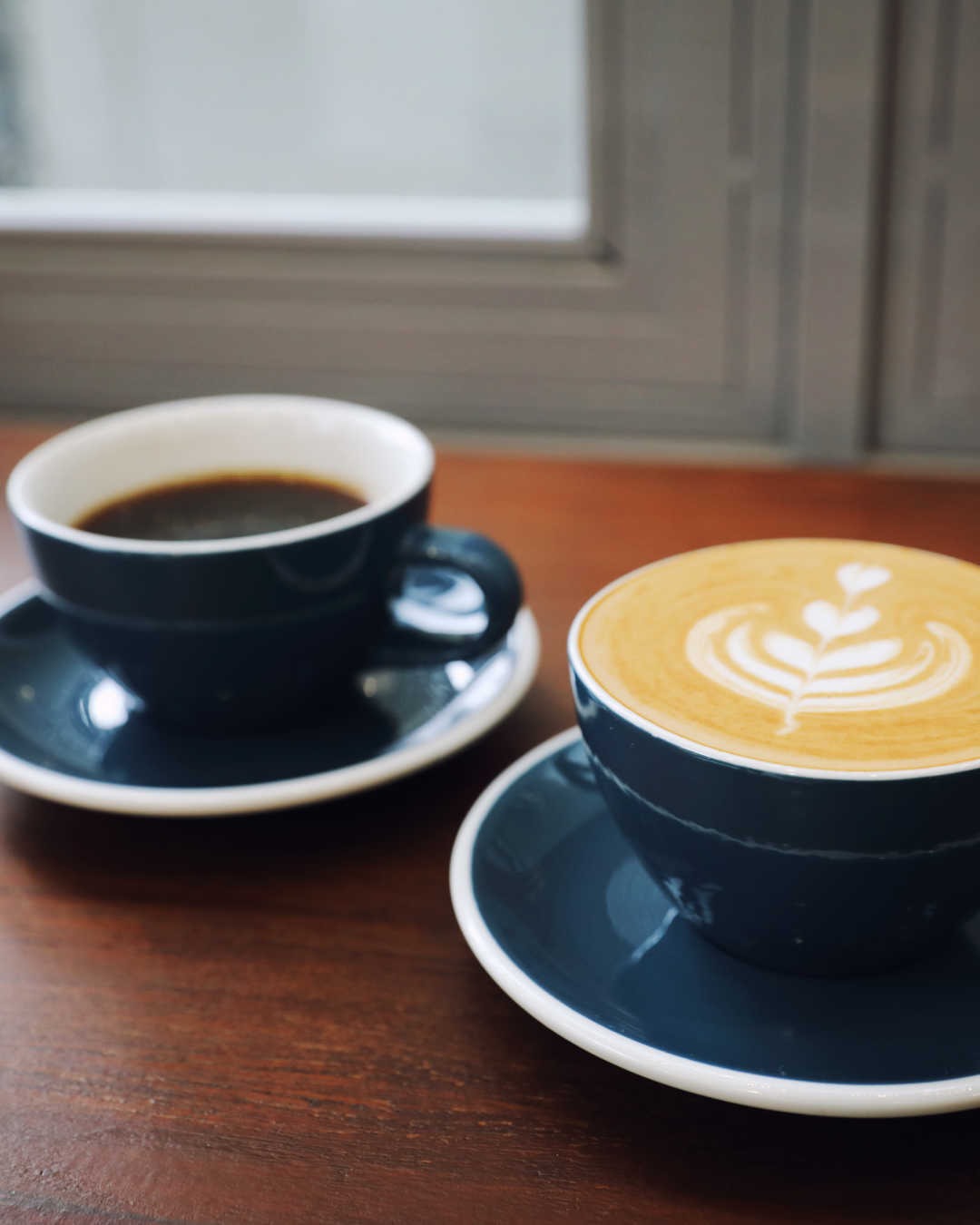
The confusion isn’t about coffee. It’s about language. Using one word to describe two very different experiences.
Sugar sweetness is immediate. It hits the front of the tongue. It fills space. It comes from addition. Something sweet was put in, so the drink is sweet.
Perceptual sweetness is different. It is quieter. It often shows up after the sip, not during it. It comes from contrast rather than addition. Nothing was added. Something else was removed.
Sugar sweetness dominates attention.
Perceptual sweetness invites attention.
Why Black Coffee Can Taste Sweet Without Sugar
Black coffee can taste sweet even when there is no sugar because three things are working together.
First, coffee already contains natural sugars. During roasting, those sugars caramelize and turn into flavors people describe as cocoa, honey, fruit, or caramel. You only notice them when bitterness is no longer overwhelming your palate.
Second, contrast changes everything. When sweetness disappears from your daily drinks, your brain recalibrates what sweet means. Studies on taste perception show that the same sweetness can feel stronger or weaker depending on what you usually consume. When sugar stops being constant, subtle sweetness stands out.
Third, coffee sweetness often appears in the aftertaste. Sugar sweetness hits fast and fades. Coffee sweetness lingers. That quiet chocolate or nut note people notice is not sugar. It is flavor memory combined with contrast.
Black coffee does not become sweet because sugar is missing. It becomes sweet because perception changes.
How Your Brain Relearns What “Sweet” Means

This shift isn’t just psychological. It’s perceptual.
Neuroscience research shows that taste is processed in the brain, not just on the tongue. When your daily exposure to sweetness changes, the brain adjusts what it treats as normal. Over time, that adjustment reshapes how sweet everything feels.
This is why people who stop sweetening drinks often say fruit tastes sweeter and desserts feel richer even though nothing changed in the food itself. Their baseline changed, and their senses learned a new scale.
Researchers call this kind of change taste plasticity. In the black coffee life, it feels simpler: One day, coffee stops tasting bitter and starts tasting clear.
Why This Sweetness Feels Different From Sugar
Sugar sweetness dominates the experience. Coffee sweetness makes room for it.
This is why people often describe sweetness in black coffee as subtle, not exciting. It does not rush in. It shows up slowly. It does not demand attention. It rewards attention.
What This Does Not Mean
This is not a purity argument.
It does not mean sugar is bad.
It does not mean sweetened coffee is wrong.
It does not mean black coffee is superior.
It only means that sweetness can come from perception, not just addition.
That distinction matters because it gives people permission to stop chasing sugar when what they really want is balance.
Why Naming This Matters
Many people experience this shift but can’t explain it. They notice that coffee tastes different. Sweets feel stronger. Flavors seem clearer. But without the language for it, they assume they are imagining things.
They are not.
What they are experiencing is not tolerance for bitterness. Nor discipline. Nor refined taste.
It is recalibration.
Giving that experience a name helps people trust it. It helps them understand that sweetness does not always have to be loud to be real.
Closing
Sweetness in black coffee is not sugar sweetness. It is not added. It is revealed. It does not rush in. It shows up slowly. And once you recognize the difference, you stop trying to make coffee sweet and start noticing when it already is.