
Quick Answer: When you switch to drinking coffee black, the first changes are not about liking it. Taste shock comes first. Bitterness feels louder. You drink more slowly. Your body gives clearer signals. Emotional reactions often show up before your palate adjusts. These early changes are normal, temporary, and useful. These changes tend to happen in the first few days whether you are switching from sweetened coffee or starting coffee for the first time.

The First Week Is Not About “Liking” Black Coffee
Early on most people expect the wrong thing when they drink coffee black.
Some are coming from coffee with sugar and cream. Others are starting from almost no coffee at all. Both groups tend to expect a quick answer. Either this will work for them, or it won’t.
What actually happens can be more subtle and confusing.
The first week is less about liking coffee and more about noticing it. Flavors feel sharper. Reactions feel stronger. Coffee stops being background noise and starts demanding attention.
It doesn’t mean you made a mistake or picked the wrong approach. It means your senses are finally getting clear information.
This phase isn’t about deciding whether you like black coffee. It’s about learning how coffee shows up when nothing is covering it.
Taste Is the First and Loudest Change

Without sugar or dairy, coffee has nowhere to hide. Additives that softened the flavor of coffee before now come through clearly. For many people, that feels harsh at first.
Bitterness Shows Up Immediately
The most obvious change is bitterness.
This is one of the most common early reactions. It happens fast and it surprises almost everyone.
What matters is this: bitterness is information, not failure. You are finally tasting the coffee itself.
Acidity and Aftertaste Start to Matter
Another surprise is how long flavors can stick around.
You may notice sharpness on the sides of your tongue. You may notice dryness or a lingering aftertaste that was never obvious before. Some cups feel clean. Others feel unpleasant.
This is normal. Black coffee reveals quality and flaws more quickly. That is uncomfortable at first, but it becomes useful later.
You May Start Drinking More Slowly
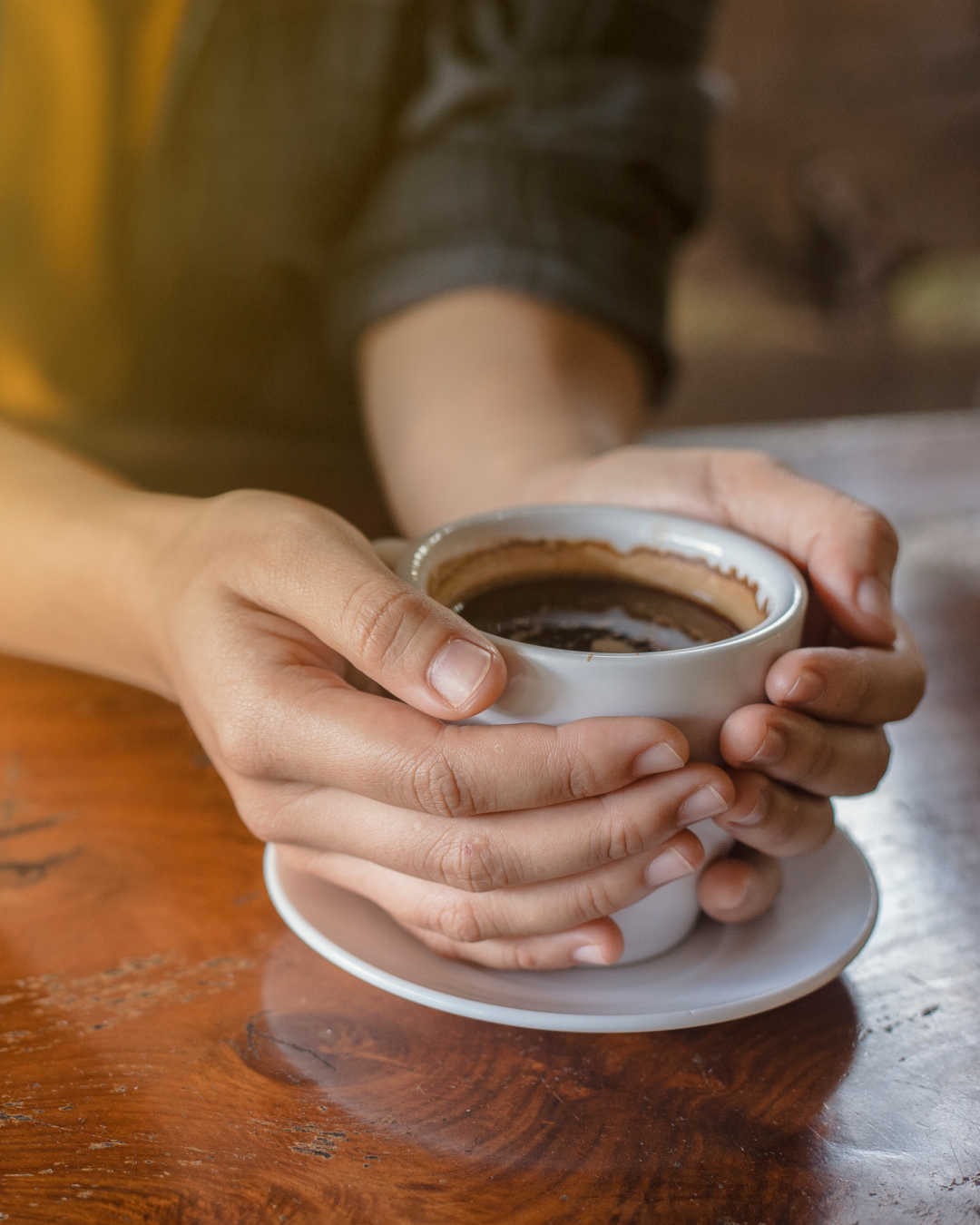
Black coffee rarely invites chugging.
Many people naturally slow their drinking when coffee is black, even without trying to.
Without sweetness, most people slow down. Sips get smaller. Pauses get longer. You stop refilling the mug without thinking.
This shift often happens without effort. The drink itself encourages it.
Coffee Becomes a Conscious Choice
Many new black coffee drinkers notice they stop drinking out of habit.
Instead of finishing a cup just because it is there, they check in. Do I want more? Or am I done?
That awareness is one of the earliest behavioral changes, even before taste improves.
Temperature Starts to Matter More Than You Expect

Heat amplifies bitterness.
Very Hot Coffee And Very Cold Coffee Feel Less Forgiving
Many people find they wait longer before taking the first sip. Very hot coffee can feel aggressive when it is black.
This often leads to slower drinking and more intentional pacing.
Lukewarm Coffee Reveals Everything
As coffee cools, flaws become obvious.
A cup that seemed tolerable hot may taste sharp or hollow once warm. This moment causes doubt for many beginners, but it is also a clear signal. You are learning faster now.
For some people, coffee that cools past a certain point tastes equally poor, regardless of quality.
Your Body Gives Clearer Feedback
Some people feel fuller than expected, even without milk or sugar. Others notice hunger cues change.
Caffeine also feels more direct. Without fat and sweetness, signals from your body arrive faster and clearer.
Too Much Coffee Is Easier to Notice
Overdoing it becomes obvious, too.
Jitters, restlessness, or discomfort are harder to ignore. This is not a downside. It helps you learn your limits quickly.
Emotional Reactions Come Before Flavor Preferences
For many people, coffee was comfort first and flavor second.
Removing sugar or cream can feel like losing part of a ritual. That reaction is common and temporary.
This reaction is common and does not predict whether you will enjoy black coffee later. It does not mean black coffee is not for you.
Curiosity Starts to Replace Expectation
A quiet shift often happens.
Instead of asking “Do I like this?” people start asking “What am I tasting?” That mental change matters more than immediate enjoyment.
It is often the turning point.
What Does Not Change Yet
This is important to say clearly.
Your palate is not refined in the first week. Coffee does not suddenly taste sweet. Bad coffee does not become good.
Those changes come later, if they come at all. The first phase is about noticing, not preferring.
Why These Early Changes Matter
Early feedback speeds learning.
When coffee stops being masked, your senses start working properly. You learn what you like faster, even if you do not like it yet.
Discomfort is data.
What Comes Next
Once you understand why black coffee tastes bitter, those early reactions start to make sense. After this phase, bitterness starts to soften. Flavors separate. Sweetness becomes easier to notice.
That is where the real transition begins.
This article is the first step. The next step is understanding why black coffee tastes bitter, and how that bitterness turns into useful flavor information over time.