
Quick Answer: A better coffee grinder does not automatically make black coffee taste better. It becomes useful once your brewing ratio and process are stable and you want clearer, more repeatable feedback from adjustments. Before that point, most grinder upgrades add complexity without solving the real problem.

How This Article Fits Into the The Black Coffee Life System
This article is not a starting point: it assumes you already understand that ratio controls strength, extraction controls flavor, and consistency matters more than equipment.
This guide exists for the moment when your brewing feels steady, but the cup still refuses to respond clearly to small changes. That is when a grinder upgrade begins to make sense.
When a Coffee Grinder Is the Problem and When It Is Not
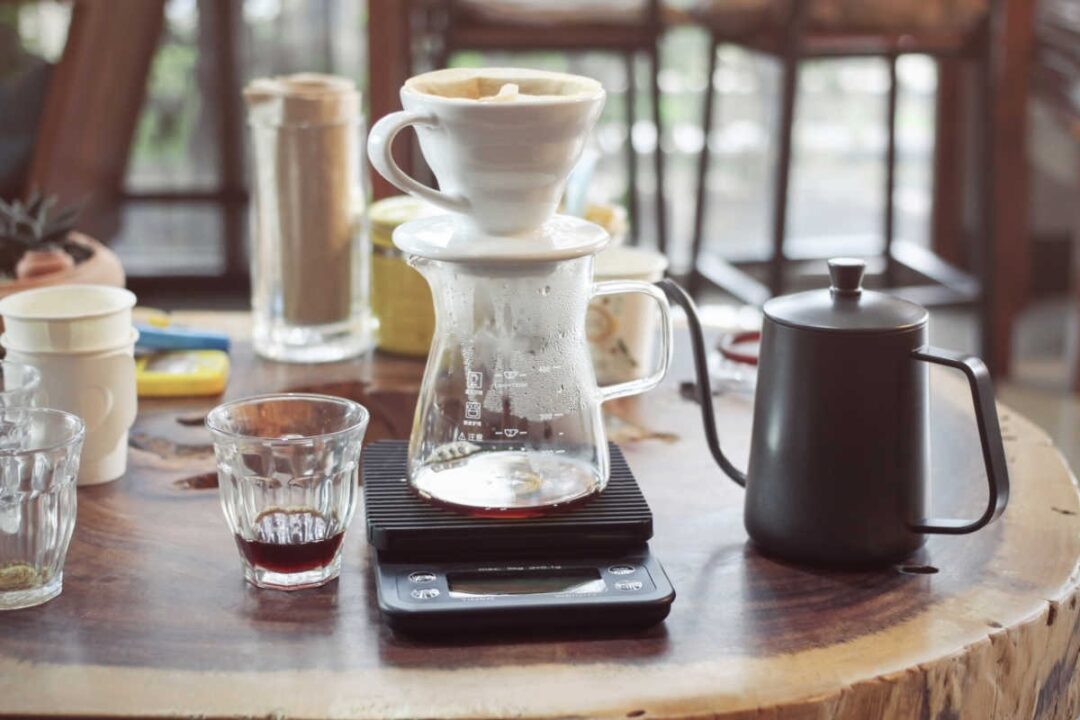
When black coffee tastes off, the grinder is an easy target. It has settings, moving parts, and a sense of control. Changing it feels productive.
But most of the time, it’s not the limiting factor.
If your coffee brewing is inconsistent, even a very good grinder will produce inconsistent results. In those cases, the grinder is not hiding good coffee. It‘s reflecting instability elsewhere in the system.
A grinder becomes the problem when your process is already stable and the coffee still does not respond cleanly to adjustment. When grind changes stop producing clear, directional feedback, consistency begins to matter in a practical way.
What a Better Coffee Grinder Actually Improves
A better grinder does not fix bad coffee. It improves feedback.
With a more consistent grind, changes you make begin to behave more predictably. Sourness moves toward balance. Bitterness eases instead of lingering.
A better grinder supports good brewing habits. It does not replace them.
Why Grinder Consistency Matters More for Black Coffee Drinkers
Black coffee leaves nothing to hide behind.
When milk or sugar is added, strength and extraction errors can be softened or masked. In black coffee, they are exposed immediately.
Grinder consistency does not make coffee better by default. It makes flaws easier to identify and correct.
Burr vs Blade Grinders: When the Difference Actually Matters
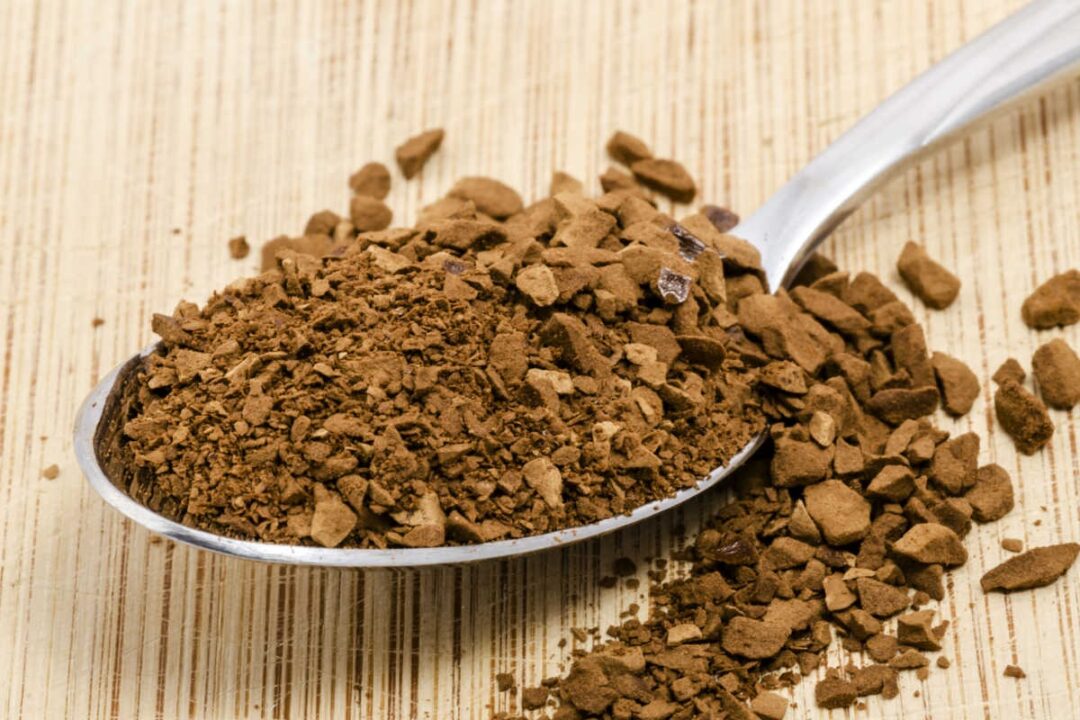
Blade grinders chop coffee beans into uneven pieces. Some fragments become very fine, while others remain large. This wide range of particle sizes leads to uneven extraction.
Burr grinders crush beans between two surfaces set at a fixed distance apart. This produces a narrower range of particle sizes and a grind that responds more predictably to adjustment.
The difference is not about superiority but about communication.
With a blade grinder, changes to brew time or ratio often produce unclear results because multiple extraction rates are happening at once. Sour and bitter notes can appear together, making it difficult to learn from taste alone.
A burr grinder reduces that noise. When grind size changes, the cup tends to respond in a clearer direction.
That does not mean a blade grinder is useless. For someone still learning basic consistency, it can produce drinkable coffee and help establish habits. The limitation shows up later, when the process becomes steady and the coffee stops responding cleanly.
Choosing a Grinder Based on Where You Are, Not What Is “Best”
There is no single best grinder. There are only grinders that make sense at different stages.
Thinking in stages keeps upgrades aligned with learning rather than impulse.
Stage 1: Still Learning Consistency
Editor’s note: Amazon links are listed for convenience and are affiliate.
At this stage, the priority is repeatability, not refinement.
Entry level burr grinders can be sufficient here because they behave the same way each time you use them. That consistency makes it easier to establish habits and notice patterns, even if the grind is not perfectly uniform.
A grinder like the COFIBREWS Burr Grinder fits this role well. It offers basic burr based consistency without demanding careful technique or constant adjustment. Used with a stable brewing routine, it can support learning without encouraging premature tweaking.
Limitations at this stage are acceptable. The goal is not to chase clarity, but to build stability.

Stage 2: Brewing Is Stable, but Results Feel Inconsistent
This is the stage where many black coffee drinkers begin to suspect the grinder.
The ratio is locked. The method feels repeatable. But small grind adjustments no longer produce clean results. The coffee improves sometimes, worsens other times, and it becomes difficult to tell why.
At this point, a grinder upgrade can begin to help.
Manual grinders like the 1Zpresso J are a strong example at this stage. They offer noticeably tighter grind consistency and reward deliberate brewing. When grind size changes, the cup tends to respond more clearly, which makes learning easier rather than more confusing.
Electric burr grinders such as the Aromaster 48 can also fit here. They represent a step up from basic entry level grinders and can improve how reliably adjustments translate into taste, provided the rest of the process is already steady.
At this stage, the grinder is no longer a distraction. It becomes a supporting tool.
Beyond This Point: Diminishing Returns
Once grind consistency is high and the brewing process is disciplined, improvements become incremental.
Higher end grinders can offer slightly tighter particle distributions and smoother adjustment, but they reward careful brewing rather than fixing problems. The improvement is subtle, not transformative.
This stage exists, but it does not require a shopping example to understand it.
When Upgrading Your Grinder Is Probably the Wrong Move
A grinder upgrade is unlikely to help if:
- the coffee to water ratio changes frequently
- brew time varies unintentionally
- pouring or agitation is inconsistent
- coffee age is unpredictable
In these cases, improving process stability will have a greater impact than changing equipment.
Consistency First. Equipment Second.

Choose one ratio. Hold it steady. Let taste guide the rest.
A grinder upgrade makes sense when your process is already teaching you something and you want it to teach you faster.
Until then, the most valuable upgrade is restraint.